How I Finally Balanced My Lipids—And What Actually Works
For years, I ignored my rising lipid numbers until my doctor said, “You need to act now.” That moment changed everything. High lipids don’t scream for attention, but they quietly set the stage for serious health issues. I started digging—not just into diets or trends, but real, science-backed changes. This is what I learned: small shifts in daily habits can make a noticeable difference. It’s not about perfection—it’s about consistency.
The Wake-Up Call: Recognizing the Silent Risk
Life was moving along as usual—busy mornings, school drop-offs, grocery runs, and weekend family dinners. There were no chest pains, no shortness of breath, no alarming symptoms. I felt fine. But during a routine check-up, my blood test revealed something unsettling: elevated LDL cholesterol and borderline high triglycerides. My doctor didn’t panic, but her tone was firm. “These numbers,” she said, “are early warnings. If we don’t address them now, your risk for heart disease increases over time.” That conversation stayed with me. I had assumed that as long as I wasn’t feeling sick, I was healthy. But lipids operate in silence. They don’t send pain signals or visible cues. Instead, they build up slowly, contributing to plaque in the arteries—a process that can go unnoticed for years.
Lipid regulation refers to the body’s management of fats in the bloodstream, primarily cholesterol and triglycerides. Cholesterol is essential—it helps build cells and produce hormones—but too much of the wrong kind becomes a problem. Triglycerides store unused calories and provide energy between meals, but high levels are linked to an increased risk of cardiovascular issues. The danger lies not in their presence, but in imbalance. When LDL (low-density lipoprotein) cholesterol rises and HDL (high-density lipoprotein) falls, the stage is set for long-term complications. What surprised me most was realizing this wasn’t just a medical checklist item. It was a reflection of daily choices: what I ate, how I moved, how well I slept, and how I managed stress.
Many people, especially women in their 30s to 50s, juggle so much—family, work, household responsibilities—that personal health often takes a back seat. We prioritize everyone else’s needs, assuming our bodies will keep up. But the truth is, heart health doesn’t wait. The American Heart Association emphasizes that cardiovascular disease is the leading cause of death among women, and lipid imbalances play a significant role. The good news? These changes are preventable and often reversible with the right approach. Recognizing the risk wasn’t about fear; it was about empowerment. Once I understood that my choices mattered, I was ready to make changes—not out of desperation, but out of care for my long-term well-being.
Breaking Down the Basics: What Your Lipid Panel Really Says
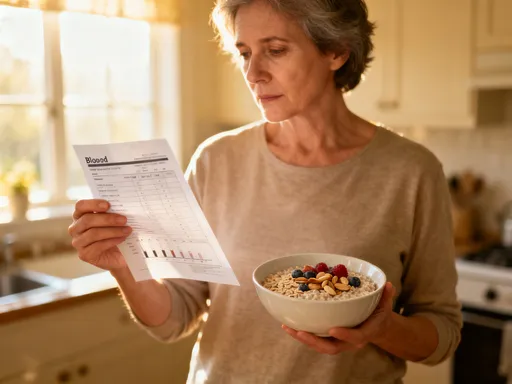
When I first saw my lipid panel, the numbers looked like a foreign language. Total cholesterol: 228 mg/dL. LDL: 150 mg/dL. HDL: 48 mg/dL. Triglycerides: 180 mg/dL. My doctor explained each one, but I wanted to understand them on my own terms. So I began breaking them down. Total cholesterol is the sum of all cholesterol in your blood, but it’s the breakdown that matters most. Think of LDL as delivery trucks carrying cholesterol from the liver into the arteries. When there are too many trucks, traffic builds up—eventually leading to blockages. That’s why LDL is often called “bad” cholesterol. HDL, on the other hand, acts like a cleanup crew, picking up excess cholesterol and taking it back to the liver for disposal. Higher HDL levels are protective, which is why it’s known as “good” cholesterol.
Triglycerides are another piece of the puzzle. They come from the fats you eat and the extra calories your body converts into fat for storage. When you consume more energy than you burn—especially from sugary or refined foods—your triglyceride levels rise. A level above 150 mg/dL is considered elevated, and mine was close to that threshold. The National Institutes of Health recommends target levels based on individual risk: for people with no known heart disease, LDL should ideally be under 130 mg/dL, and under 100 mg/dL for those at higher risk. HDL should be above 50 mg/dL for women. But here’s what I learned—these numbers aren’t universal. Your doctor considers your age, family history, blood pressure, and other factors before setting personal goals.
What also became clear is that a single test doesn’t tell the whole story. Patterns over time matter more than one reading. Inflammation markers, such as C-reactive protein, and other assessments like waist circumference and blood sugar levels, help paint a fuller picture. Some people have “normal” cholesterol but still face risk due to other metabolic factors. That’s why regular monitoring is essential. It’s not about chasing perfect numbers overnight, but about understanding trends and making informed adjustments. Knowledge didn’t overwhelm me—it gave me clarity. Instead of seeing my lipid panel as a verdict, I began to see it as feedback, a way to track progress and stay proactive about my health.
Myth vs. Reality: Common Misconceptions About Fat and Heart Health
Before I started researching, I believed a few things that turned out to be outdated. I thought all fat was bad. I avoided eggs, fearing they would spike my cholesterol. I assumed heart health was only a concern for older men. These beliefs were common, but they weren’t accurate. One of the biggest shifts in nutritional science over the past decade has been the reevaluation of dietary fat. We now know that not all fats are created equal. Trans fats, found in many processed and fried foods, are harmful and should be avoided. Saturated fats, found in red meat and full-fat dairy, should be limited. But unsaturated fats—like those in avocados, nuts, seeds, and olive oil—are beneficial and support heart health.
The idea that eating cholesterol-rich foods like eggs directly raises blood cholesterol has also been largely debunked. For most people, the liver adjusts its cholesterol production based on intake. The bigger culprit behind high cholesterol and triglycerides? Refined carbohydrates and added sugars. Foods like white bread, pastries, soda, and packaged snacks cause insulin spikes, which signal the liver to produce more triglycerides. This shift in understanding changed how I viewed my diet. Instead of focusing on eliminating every gram of fat, I began paying attention to food quality. I stopped buying “low-fat” yogurt only to realize it was loaded with sugar. Marketing can be misleading—just because a product says “heart-healthy” doesn’t mean it is.
Another myth I had to unlearn was that heart disease is an older person’s problem. The truth is, plaque buildup starts early, sometimes in the 20s and 30s. Women, in particular, face unique risks. Before menopause, estrogen offers some protection, but after that, lipid profiles often shift, with LDL rising and HDL dropping. That’s why establishing healthy habits earlier in life is so important. It’s not about fear-mongering—it’s about awareness. I also realized that extreme diets don’t work long-term. Cutting out entire food groups led to frustration and eventual burnout. Balance is key. A sustainable approach means including a variety of whole foods, enjoying occasional treats without guilt, and focusing on overall patterns rather than perfection.
The Food Shift: What I Changed on My Plate (And Why It Mattered)
My journey began in the kitchen. I didn’t overhaul everything at once—I started with small, manageable changes. One of the first things I did was increase my fiber intake, especially soluble fiber. Found in oats, beans, apples, and flaxseeds, soluble fiber binds to cholesterol in the digestive system and helps remove it from the body. I began my day with oatmeal topped with berries and a tablespoon of ground flaxseed. Within weeks, I noticed I felt fuller longer and had more stable energy. I also swapped white rice and pasta for whole grains like brown rice, quinoa, and whole wheat pasta. These changes weren’t drastic, but they added up.
I started incorporating more healthy fats into my meals. Instead of avoiding fat altogether, I focused on quality sources. I added a handful of almonds or walnuts to my afternoon snack. I used olive oil for cooking and salad dressings. I made it a goal to eat fatty fish—like salmon, mackerel, or sardines—at least twice a week. These fish are rich in omega-3 fatty acids, which have been shown to lower triglyceride levels and reduce inflammation. I also limited processed meats and chose leaner protein sources like skinless poultry, legumes, and tofu. Breakfast evolved from sugary cereal to Greek yogurt with nuts and fruit, or scrambled eggs with spinach and avocado.
Reducing added sugars was another priority. I cut back on soda and switched to sparkling water with lemon. I read labels more carefully and was surprised by how many packaged foods contained hidden sugars—like sauces, granola bars, and even “healthy” snack foods. I began making more meals at home, where I could control the ingredients. Meal prepping on Sundays became a game-changer. I’d roast vegetables, cook a batch of quinoa, and portion out snacks so that healthy choices were always within reach during busy weekdays. The science behind these changes made them easier to stick with. Knowing that soluble fiber helped clear cholesterol, or that omega-3s supported heart function, gave me motivation beyond just weight or appearance.
What surprised me most was how gradual changes were more effective than drastic ones. I didn’t feel deprived, and I didn’t crave forbidden foods. Over time, my taste preferences shifted. I began to enjoy the nuttiness of whole grains and the natural sweetness of fruit. I realized that eating well wasn’t about restriction—it was about nourishment. These food choices became part of my routine, not a temporary diet. And when I did indulge—like at a birthday party or holiday dinner—I didn’t beat myself up. Flexibility was part of sustainability.
Beyond Diet: How Movement, Sleep, and Stress Play a Role
Diet was important, but I quickly learned it wasn’t the only factor. Physical activity had a direct impact on my lipid levels. I started with simple daily walks—just 20 to 30 minutes after dinner. Over time, I built up to brisk walking most days of the week. Exercise helps raise HDL cholesterol and lower triglycerides by improving insulin sensitivity and supporting healthy metabolism. It also aids in weight management, which is closely linked to lipid health. I didn’t need a gym membership or intense workouts. Consistency mattered more than intensity. Even household chores like gardening or cleaning counted as movement.
Sleep was another overlooked piece. I used to stay up late finishing chores or scrolling through my phone, then wake up tired. But research shows that poor sleep disrupts hormones that regulate appetite and metabolism, including cortisol and insulin. Chronic sleep deprivation can lead to higher triglycerides and lower HDL. Once I prioritized sleep—aiming for 7 to 8 hours a night with a consistent bedtime—I noticed improvements in my energy, mood, and even my cravings. I created a bedtime routine: turning off screens an hour before bed, drinking herbal tea, and reading a book. These small habits made a big difference.
Stress was the hardest to manage, but perhaps the most impactful. As a mother and working professional, I often felt pulled in too many directions. Chronic stress raises cortisol, which can increase fat storage, particularly around the abdomen, and prompt the liver to produce more cholesterol and triglycerides. I began incorporating simple stress-reduction techniques: five minutes of deep breathing in the morning, short stretching sessions, and mindful walks. I also learned to say no when necessary and to ask for help. These weren’t luxury self-care practices—they were essential for my health. Over time, I noticed that when I felt calmer, my food choices improved, and I was more consistent with my routines.
Tracking Progress: What to Monitor and When to Seek Help
Tracking helped me stay accountable. I started a simple journal where I logged meals, physical activity, sleep quality, and how I felt each day. I didn’t weigh myself daily, but I paid attention to energy levels, digestion, and overall mood. After three months of consistent changes, I went back for a follow-up blood test. My LDL had dropped to 128 mg/dL, triglycerides to 140 mg/dL, and HDL had risen slightly to 52 mg/dL. It wasn’t perfect, but it was progress. The most important lesson? I couldn’t have guessed these improvements. Without testing, I might have assumed nothing had changed. Regular blood work is the only way to know for sure.
I also learned the value of working with my healthcare provider. Instead of relying on internet searches or supplement trends, I discussed my results with my doctor. We reviewed my family history, lifestyle, and goals. She didn’t push medication right away—instead, she encouraged continuing the healthy habits I’d built. She also reminded me that everyone’s body responds differently. Some people see fast results; others take longer. The key is persistence. If lifestyle changes aren’t enough, medication like statins may be recommended, but that decision should be made collaboratively with a medical professional.
Monitoring isn’t just about numbers. How you feel matters too. I had more energy, better focus, and fewer afternoon crashes. My clothes fit differently, not because I lost a lot of weight, but because my body composition was changing. These non-scale victories kept me motivated. I also avoided comparing myself to others. Health is personal. What works for one person may not work for another. The goal isn’t to achieve someone else’s ideal—it’s to support your own body’s needs over time.
Building a Sustainable Routine: Making It Stick Without Burnout
Sustainability was my biggest challenge. Early on, I tried to do too much at once—cutting sugar, starting intense workouts, meditating daily. Within weeks, I burned out. I realized that lasting change comes from small, consistent steps. I began using habit stacking: linking new behaviors to existing ones. For example, I paired my morning coffee with five minutes of stretching. I put my walking shoes by the door so I’d remember to take a walk after dinner. I prepped healthy snacks on Sundays so I wouldn’t reach for chips during the week. These tiny cues made it easier to stick with new habits.
Meal prepping was a turning point. I dedicated one afternoon a week to planning and preparing. I cooked batches of lentil soup, roasted vegetables, and grilled chicken. I portioned nuts and cut up fruit for easy access. Having healthy options ready reduced decision fatigue during busy days. I also allowed flexibility. If I ate out or missed a workout, I didn’t see it as failure. Progress isn’t linear. Self-compassion became part of my routine. I reminded myself that one slip didn’t erase weeks of effort.
What worked wasn’t perfection—it was persistence. I didn’t transform overnight, but over months, the changes became second nature. I no longer thought of this as a “diet” or “fix.” It was simply how I chose to live. I shared what I learned with friends and family, not to preach, but to support. Some joined me in walks or tried new recipes. Others made their own changes. That sense of shared effort made the journey more meaningful.
Balancing lipids isn’t about quick fixes or extreme diets—it’s about informed, consistent choices. What I’ve learned goes beyond lab results; it’s about listening to my body and respecting its needs. These changes didn’t transform me overnight, but over time, they made a real difference. The best part? Anyone can start, anywhere. This journey taught me that true health isn’t measured in perfection—but in persistence.