How I Started Fighting Fatty Liver — Simple Moves That Actually Work
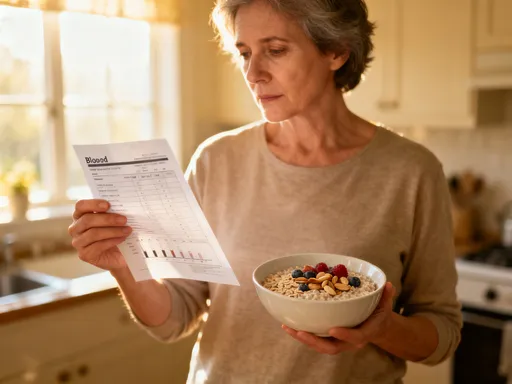
Fatty liver isn’t just a medical term—it’s a wake-up call millions ignore. I ignored it too, until fatigue and scan results hit hard. For beginners, the journey feels overwhelming, but small, consistent exercises can make a real difference. This isn’t about extreme workouts or quick fixes. It’s about smart, sustainable movement that supports your liver. I tested it, felt the shift, and want to share what truly helped—no hype, just honest steps that fit real life.
Understanding Fatty Liver: More Common Than You Think
Non-alcoholic fatty liver disease (NAFLD) occurs when excess fat builds up in the liver, not due to alcohol consumption but primarily because of metabolic imbalances. This condition begins silently, often without noticeable symptoms in its early stages, which is why many people live with it unknowingly. The liver, responsible for processing nutrients and filtering toxins, becomes less efficient when burdened with fat. Over time, if left unaddressed, NAFLD can progress to inflammation, scarring, and in severe cases, cirrhosis or liver failure. However, the good news is that in most cases, especially when caught early, fatty liver is reversible through lifestyle changes.
The rise of NAFLD is closely tied to modern living—sedentary routines, processed diets high in sugar and refined carbohydrates, and increasing rates of obesity and type 2 diabetes. According to global health data, approximately 1 in 4 adults is affected by some form of fatty liver, making it one of the most common liver conditions worldwide. This prevalence cuts across age groups and geographic regions, though it is more frequently diagnosed in individuals over 40, particularly those with insulin resistance or metabolic syndrome. The condition is no longer limited to older adults; rising cases in younger populations reflect shifting dietary and activity patterns.
Because symptoms like fatigue, mild abdominal discomfort, or unexplained weight gain are often dismissed as signs of stress or aging, the condition can go undetected for years. Routine blood tests may show elevated liver enzymes, prompting further investigation through imaging such as ultrasound or FibroScan. These tools help assess fat accumulation and liver stiffness, offering insight into disease progression. Early detection is crucial, as it allows individuals to take action before irreversible damage occurs. Understanding that fatty liver is not a life sentence but a signal for change empowers people to make meaningful adjustments.
For beginners, the key takeaway is that reversal is possible. The liver is a resilient organ with remarkable regenerative capacity. With consistent, moderate lifestyle changes—particularly in physical activity and nutrition—many individuals experience measurable improvement in liver health within months. This isn’t about drastic overhauls or extreme diets. It’s about adopting sustainable habits that support metabolic balance. Knowledge is the first step: recognizing that fatty liver is common, largely preventable, and within your control to manage transforms fear into motivation.
Why Exercise Matters: The Liver’s Hidden Ally
Exercise is one of the most effective, yet underutilized, tools in managing and reversing fatty liver. While many assume weight loss is the primary goal, research shows that physical activity reduces liver fat independently of significant weight change. This means even modest movement can yield real benefits for liver health. The mechanism lies in how the body processes energy. When you move, your muscles require fuel—glucose and fatty acids—which they draw from the bloodstream. This demand improves insulin sensitivity, allowing cells to respond more efficiently to insulin and reducing the amount of fat stored in the liver.
Think of your muscles as metabolic sponges. The more active they are, the more they absorb excess glucose and fat circulating in your system. This reduces the burden on the liver, which otherwise converts surplus sugars into fat for storage. Over time, consistent physical activity shifts the body’s metabolism toward fat burning rather than fat storage. Studies using MRI scans have demonstrated that individuals who engage in regular moderate exercise can reduce liver fat by 20% or more in as little as three months, even without dramatic changes in body weight. This underscores the importance of movement beyond the scale.
From a physiological standpoint, exercise also reduces inflammation and oxidative stress—two key drivers of liver damage in NAFLD. Physical activity stimulates the release of anti-inflammatory cytokines and enhances antioxidant defenses, creating a more favorable internal environment. Additionally, improved circulation supports better liver function by increasing oxygen and nutrient delivery. These changes happen gradually but accumulate over time, reinforcing the idea that consistency matters more than intensity. You don’t need to run marathons or lift heavy weights to see results; even walking briskly for 30 minutes most days can initiate positive metabolic shifts.
Contrast this with a sedentary lifestyle, where prolonged sitting slows metabolism and encourages fat accumulation. Imagine two individuals with similar diets: one walks daily, takes the stairs, and moves regularly throughout the day; the other sits for long hours with little activity. Despite similar calorie intake, the active person is far less likely to develop fatty liver. This isn’t about willpower—it’s about physiology. Movement signals the body to use energy wisely, while inactivity signals storage. Recognizing exercise not as punishment but as a form of self-care reframes the entire approach to health. It’s not about looking a certain way; it’s about giving your organs, especially your liver, the support they need to function optimally.
Starting Small: My First Steps Without Overwhelm
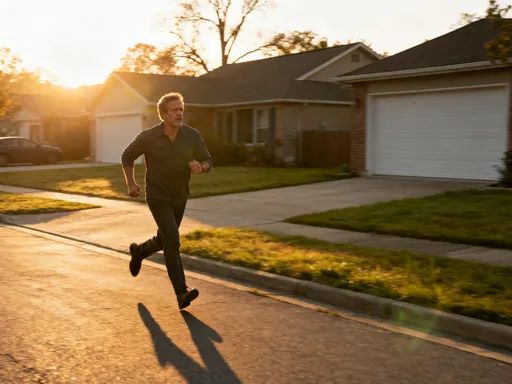
When I first learned about my fatty liver, the idea of “exercising more” felt daunting. I imagined grueling gym sessions, early morning runs, and strict routines that didn’t fit my life. Like many, I worried: Am I too far behind? Is it too late to make a difference? These thoughts created paralysis, not progress. What finally helped was shifting my mindset—from aiming for perfection to embracing small, manageable actions. I started with just 10-minute walks after meals. No special gear, no schedule overhaul—just putting on my shoes and stepping outside. Those short walks became the foundation of a new habit.
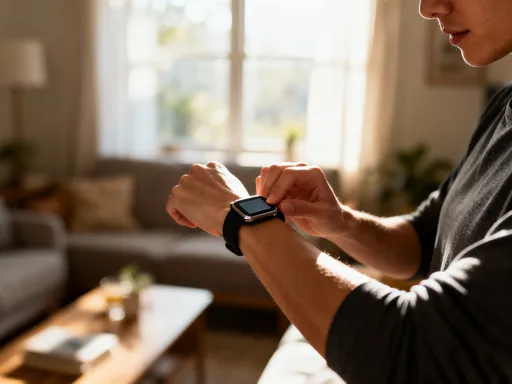
The concept of “movement snacks” changed everything. Instead of reserving exercise for a single 30-minute block, I began integrating activity into my day: walking around the block while on phone calls, pacing during TV commercials, or doing gentle stretches after sitting for an hour. These micro-movements added up, often reaching 4,000 to 5,000 steps daily without feeling like a workout. Tracking progress with a simple step counter gave me a sense of accomplishment. Seeing the numbers rise—even by a few hundred steps—created positive reinforcement. More importantly, I began to notice how I felt: less sluggish in the afternoons, better sleep at night, and a subtle but growing sense of energy.
Emotional shifts followed. The constant fatigue that had become normal started to lift. I slept more deeply and woke feeling more refreshed. These internal changes were more motivating than any number on a scale. I realized that movement wasn’t just about physical transformation—it was about reclaiming how I experienced each day. The fear of “not doing enough” faded as I recognized that consistency, not intensity, was the real measure of success. Some days I walked more, others less, but showing up—even briefly—kept the momentum going.
For beginners, this approach removes the pressure to be “perfect.” You don’t need to train like an athlete or overhaul your life overnight. Starting small honors your current reality while creating space for growth. The key is to begin where you are, use what you have, and do what you can. Over time, those 10-minute walks may extend to 20 or 30 minutes. The habit becomes automatic, woven into the rhythm of daily life. And that’s when real change takes root—not in dramatic gestures, but in the quiet, repeated choice to move.
The Beginner’s Exercise Blueprint: What Actually Works
When building an exercise routine for fatty liver, a balanced approach yields the best results. Three types of movement are particularly effective: aerobic (cardio), resistance (strength), and flexibility training. Each plays a unique role in supporting metabolic health. Aerobic exercise improves heart and lung function while directly reducing liver fat. Resistance training builds muscle mass, which increases resting metabolism and enhances insulin sensitivity. Flexibility work, such as stretching or yoga, supports joint health and makes other activities easier and safer to perform. Together, they create a comprehensive foundation for long-term wellness.
For beginners, the best exercises are simple, accessible, and low-impact. Brisk walking is one of the most effective starting points—free, easy to adjust, and gentle on joints. Stair climbing, whether at home or in a building, adds intensity without requiring equipment. Home-based bodyweight exercises like seated marches, wall push-ups, or chair squats build strength safely. These movements can be done in short bursts, making them ideal for those with limited time or mobility. The goal is not to push to exhaustion but to create regular movement that the body can adapt to over time.
A realistic weekly plan might include three days of 20–30 minute walks, two days of light strength exercises (10–15 minutes each), one full rest day, and one active recovery day—such as gentle stretching or a leisurely walk. This structure provides enough stimulus for improvement while allowing time for recovery. Before each session, a 5-minute warm-up—like marching in place or arm circles—prepares the body and reduces injury risk. Afterward, a cool-down with slow walking and light stretching helps the heart rate return to normal and supports muscle recovery.
Pacing is essential. The “talk test” is a simple way to ensure you’re working at a safe, effective intensity: if you can speak in short sentences but not sing, you’re in the moderate zone—ideal for fat burning and liver support. Avoiding breathlessness or pain keeps exercise sustainable. As fitness improves, duration or frequency can gradually increase, but the focus should remain on consistency. This blueprint isn’t rigid; it’s a flexible guide that adapts to individual needs. The most important factor is not how hard you go, but that you show up regularly. Over time, these small efforts compound into significant health benefits.
Overcoming Common Roadblocks: Time, Energy, and Doubt
Many people want to be more active but struggle with real-life barriers. Time is often the biggest obstacle—juggling work, family, and household responsibilities leaves little room for structured exercise. The solution lies in redefining what counts as movement. Micro-workouts—short bursts of activity lasting 5 to 10 minutes—can be just as effective when done consistently. A few minutes of marching in place while waiting for the kettle to boil, calf raises while brushing your teeth, or a quick walk around the house between tasks all contribute to daily movement goals. These moments add up, especially when repeated throughout the day.
Low energy is another common challenge, particularly for those with fatty liver, where fatigue is a frequent symptom. Rather than waiting to “feel like it,” try linking movement to natural energy peaks. Morning light exposure, for example, helps regulate circadian rhythm and can boost alertness. A 10-minute walk outside after breakfast combines physical activity with natural sunlight, improving both mood and energy levels. Similarly, a post-lunch stroll can prevent the afternoon slump and aid digestion. Over time, regular movement actually increases energy by improving circulation, sleep quality, and metabolic efficiency.
Doubt and discouragement are inevitable. Progress with fatty liver isn’t always visible—there’s no immediate weight loss or dramatic transformation. Plateaus happen, and motivation can wane. The key is to shift focus from outcomes to habits. Instead of asking, “Am I getting better?” ask, “Did I move today?” Celebrate showing up, not just results. Pairing exercise with an existing habit—like walking after dinner—anchors it to a daily routine, making it easier to maintain. If you miss a day, treat it as a pause, not a failure. Consistency over time matters more than perfection.
It’s also important to normalize setbacks. Life happens—illness, travel, stress—and routines may be disrupted. The goal isn’t to be flawless but to return gently. Long-term success comes from resilience, not rigid adherence. By anticipating obstacles and planning simple solutions, you build a routine that fits your life, not one that fights against it. Movement becomes less of a chore and more of a natural part of how you live.
Beyond the Gym: Lifestyle Synergy for Liver Health
Exercise is powerful, but it works best when combined with other healthy habits. Hydration, sleep, and nutrition all interact with physical activity to support liver function. Drinking enough water helps the liver process toxins more efficiently and prevents dehydration-related fatigue. Poor sleep disrupts hormone balance, increasing hunger and cravings for sugary, processed foods—exactly the kind that contribute to fatty liver. Prioritizing 7–8 hours of quality sleep each night strengthens metabolic regulation and enhances recovery from daily activity.
Mindful eating complements exercise by reducing the intake of substances that overload the liver. Sugary beverages, especially those containing high-fructose corn syrup, are major contributors to liver fat accumulation. Replacing soda or sweetened tea with water, herbal infusions, or sparkling water with lemon can make a meaningful difference. Reducing processed snacks and increasing whole foods—like vegetables, lean proteins, and whole grains—supports stable blood sugar and lowers insulin demand. These dietary tweaks don’t require strict diets; small, consistent choices add up over time.
Movement also enhances digestion and reduces systemic inflammation. Gentle activity after meals, such as a 10-minute walk, helps regulate blood sugar and prevents fat storage. Regular physical activity lowers levels of inflammatory markers like C-reactive protein, creating a healthier internal environment. However, it’s important not to rely solely on exercise. A person could walk daily but still struggle with liver fat if their diet remains high in sugar and refined carbs. Balance is essential—movement, nutrition, sleep, and stress management all play interconnected roles.
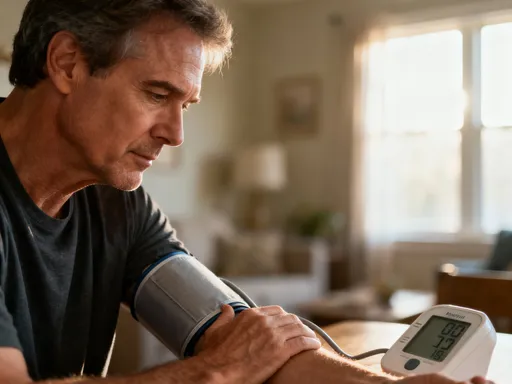
Finally, regular check-ups with a healthcare provider are crucial. Blood tests and imaging can track liver enzyme levels and fat content, offering objective feedback on progress. Always consult a doctor before starting a new exercise routine, especially if you have other health conditions. Professional guidance ensures that your approach is safe and tailored to your needs. Liver health isn’t achieved through one action but through a cohesive, supportive lifestyle that honors the body’s complexity.
Staying on Track: Building a Sustainable Routine
Sustaining change requires more than motivation—it requires habit formation. The most effective routines are built on simple cues and small rewards. For example, placing walking shoes by the door creates a visual reminder to move. Pairing activity with something enjoyable—like listening to a favorite podcast during a walk—adds positive reinforcement. Over time, these associations make exercise feel less like a task and more like a natural part of your day. The brain begins to link movement with feeling good, increasing the likelihood of repetition.
Accountability can also help, but it doesn’t require public commitments or social pressure. A quiet check-in with a supportive friend or family member, or even journaling your daily activity, fosters consistency. Some find value in community groups—online or in person—where experiences are shared without judgment. The goal is not competition but connection, knowing others are on similar journeys. However, the most powerful accountability comes from within: the quiet pride of honoring a promise to yourself.
Realistic expectations are essential. Progress is rarely linear. There will be weeks when energy is low, steps are fewer, and motivation dips. These moments don’t erase progress—they are part of the process. What matters is the overall trend: are you moving more than you were three months ago? Do you feel stronger, sleep better, or notice clothes fitting more loosely? These subtle signs indicate change, even if the scale doesn’t budge. Celebrating small wins—like choosing a walk over TV, or completing a week of consistent movement—builds confidence and reinforces commitment.
Remember, every move counts. The journey to better liver health isn’t about perfection; it’s about persistence. You don’t need to do everything at once. Start with one step, then another. Over time, those steps become a path. Long-term health is not a sprint—it’s a series of choices made daily, each one contributing to a stronger, more vibrant life. By moving more, you’re not just fighting fatty liver; you’re investing in how you feel, every single day.
Reversing fatty liver starts not with perfection, but with action. Exercise isn’t a punishment—it’s a daily gift to your body. For beginners, the path is simpler than it seems: start small, stay consistent, and trust the process. These changes don’t just help your liver—they improve how you feel every day. Always consult a doctor before starting any new routine, but know this: you have the power to make a difference. Move more, live better.