How I Tamed My Blood Pressure Without Medication – A Real Check-Up Story
High blood pressure crept up on me quietly—no alarms, just a routine check that changed everything. At my last doctor’s visit, the numbers hit a point I couldn’t ignore. What followed wasn’t a quick fix, but a full health assessment that reshaped my daily habits. This is how I took control, one small change at a time, with real adjustments that actually stuck. It wasn’t about dramatic transformations or extreme diets; it was about understanding my body, listening to my doctor, and making consistent, sustainable choices. What I learned may surprise you—because high blood pressure doesn’t always look the way we expect.
The Wake-Up Call: Recognizing the Silent Risk
It was an ordinary Tuesday morning when I walked into my doctor’s office for my annual physical. I felt fine—no headaches, no dizziness, no chest pain. I wasn’t overweight, I didn’t smoke, and I considered myself fairly active. So when the nurse said, “Your blood pressure is a bit high,” I almost laughed. High? Not me. But the number on the screen told a different story: 148 over 94. That placed me solidly in the stage 1 hypertension range. The term “silent killer” suddenly didn’t feel like just a phrase from a health pamphlet. High blood pressure earns that name because it often shows no symptoms until serious damage has already occurred. It can quietly strain the heart, stiffen arteries, and increase the risk of stroke or heart attack—without sending up red flags.
What shocked me most was realizing how common this misconception is. Many people believe that high blood pressure only affects those who are older, overweight, or visibly unwell. But the truth is, it can impact anyone—even those who appear healthy on the outside. Genetics, stress, diet, and lifestyle all play roles, and they can combine in ways that are easy to overlook. I had assumed that because I wasn’t eating fast food every day or sitting all day at a desk, I was in the clear. But small habits, like reaching for canned soup when I was tired or skipping walks during busy weeks, had added up over time without me noticing. That single reading was not just a number—it was a wake-up call to pay closer attention.
My first reaction was denial. I asked the nurse to retake it. Then I waited 15 minutes and had it checked again. Still high. The doctor explained that one elevated reading doesn’t mean immediate danger, but when it’s repeated, it signals a pattern that needs addressing. I felt a mix of fear and frustration—how could something so serious go unnoticed for so long? But instead of retreating into worry, I made a quiet decision: I would learn everything I could and take action. Not because I wanted a quick fix, but because I wanted to protect my long-term well-being. That moment of clarity marked the beginning of a journey that would reshape how I thought about health, not as a series of emergencies, but as a daily practice.
Understanding the Numbers: What Blood Pressure Really Tells You
Before that doctor’s visit, I barely understood what blood pressure actually measured. I knew it had two numbers, but I didn’t know what they meant or why they mattered. My doctor helped me break it down in a way that finally made sense. The top number, called systolic pressure, measures the force your heart exerts when it beats. The bottom number, diastolic pressure, reflects the pressure in your arteries when your heart is at rest between beats. Together, they give a snapshot of how hard your cardiovascular system is working. A reading under 120 over 80 is considered normal. Between 120–129 over less than 80 is called elevated. Once you hit 130 over 80 or higher, you’re in the hypertension range.
What I didn’t realize was that even slightly elevated numbers over time can cause real harm. Think of your arteries like garden hoses. When water flows through at a normal pressure, the hose stays flexible and strong. But if the pressure is too high for too long, the hose can weaken, bulge, or even burst. The same thing happens in your body. Chronic high pressure can damage the lining of your arteries, making them more likely to collect plaque. This narrows the pathways for blood, forcing your heart to work even harder—creating a dangerous cycle. Over time, this strain increases the risk of heart disease, stroke, and kidney problems, even if you feel perfectly fine.
Another key insight was that blood pressure isn’t a fixed number—it fluctuates throughout the day. Stress, food, activity level, and even the time of day can influence it. That’s why doctors don’t diagnose hypertension based on a single reading. Instead, they look for consistent patterns. My doctor recommended I monitor my blood pressure at home over the next few weeks to get a clearer picture. This helped me see how certain days—especially stressful ones or those heavy in salty meals—led to higher readings. Understanding these patterns gave me a sense of control. Instead of feeling like a victim of my biology, I began to see blood pressure as a signal—a way my body was communicating with me about my habits and choices.
Perhaps the most empowering part of this learning phase was realizing that blood pressure is one of the most modifiable risk factors for heart disease. Unlike genetics or age, it’s something you can influence through lifestyle. That doesn’t mean medication is never needed—many people benefit from it, and there’s no shame in that. But for people in the early stages of hypertension, like I was, non-drug approaches can make a significant difference. The goal isn’t perfection; it’s progress. By making informed choices, you can lower your numbers and reduce your long-term risks. That knowledge shifted my mindset from fear to focus. I wasn’t doomed by my diagnosis—I was being given a chance to make changes that mattered.
Beyond the Cuff: The Full Health Assessment That Changed My Approach
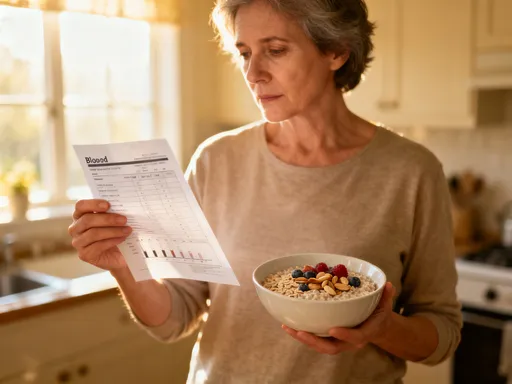
After the initial shock wore off, my doctor suggested a more comprehensive health assessment. She explained that treating high blood pressure isn’t just about lowering a number—it’s about understanding the whole picture. So, I underwent a series of tests: blood work to check cholesterol, blood sugar, and kidney function; a review of my daily routine; and questions about my sleep, stress levels, and emotional well-being. This broader evaluation revealed things I hadn’t considered. For example, my sodium levels were on the higher side, and my vitamin D was low. My fasting glucose was in the upper end of normal, signaling a potential risk for insulin resistance down the line.
What surprised me most was how deeply interconnected everything was. My doctor pointed out that poor sleep quality could be contributing to my elevated readings. She explained that when we don’t get enough restorative sleep, the body remains in a state of low-grade stress, which keeps blood pressure elevated. Likewise, chronic stress—whether from work, family, or daily life—triggers the release of hormones like cortisol and adrenaline, which constrict blood vessels and raise heart rate. Even my hydration habits came under review. I admitted I often went hours without drinking water, relying instead on coffee or tea. Dehydration can reduce blood volume, causing the heart to pump harder to circulate what’s left, which can temporarily spike pressure.
This holistic approach was a turning point. Instead of focusing solely on the blood pressure cuff, I began to see my health as a network of habits and systems working together. The assessment didn’t just identify problems—it highlighted opportunities. For the first time, I understood that small, consistent improvements in sleep, hydration, and stress management could have a measurable impact on my numbers. My doctor didn’t hand me a rigid set of rules. Instead, she helped me prioritize changes based on what was most actionable for me. We agreed that starting with diet and daily movement would be the foundation, while gradually improving sleep and mindfulness practices. This personalized, step-by-step strategy felt manageable, not overwhelming.
The value of this full assessment cannot be overstated. It moved me from reacting to a single symptom to proactively managing my overall health. It also strengthened my trust in the medical process. I wasn’t being labeled or rushed into medication—I was being guided. That partnership between patient and provider became a cornerstone of my success. I learned that taking responsibility for your health doesn’t mean doing it alone. It means working with professionals who can help you interpret the data and make informed decisions. This shift—from passive patient to active participant—was one of the most powerful changes of all.
Diet Makeover: Small Swaps That Made a Big Difference
One of the first areas I tackled was my diet. My doctor didn’t suggest a strict elimination plan or a trendy diet. Instead, she encouraged me to become more aware of hidden sources of sodium and to increase foods that naturally support heart health. I started by reading nutrition labels—something I had rarely done before. I was stunned to discover how much salt was in everyday items like bread, canned vegetables, salad dressings, and even breakfast cereals. A single serving of some soups contained more than half the recommended daily sodium limit. That explained why, even though I didn’t add salt to my food, my intake was still too high.
I began making small, sustainable swaps. Instead of canned soup, I made homemade versions using low-sodium broth and extra vegetables. I switched to fresh or frozen vegetables without added sauces. I started cooking more meals at home, where I could control the ingredients. I also increased my intake of potassium-rich foods like bananas, sweet potatoes, spinach, and beans. Potassium helps balance sodium in the body and eases tension in blood vessel walls, which can help lower blood pressure. I didn’t aim for perfection—some days I still ate convenience foods—but I made a rule to prepare at least five home-cooked meals a week.
Meal planning became a weekly ritual. I’d spend Sunday afternoon chopping vegetables, cooking a batch of quinoa, and preparing a few healthy snacks—like apple slices with almond butter or Greek yogurt with berries. Having these ready made it easier to avoid reaching for salty crackers or processed snacks when I was tired or busy. I also started paying attention to portion sizes and eating more slowly. Mindful eating helped me recognize when I was full, reducing overeating and improving digestion. I noticed that when I ate this way, I had more steady energy throughout the day and fewer afternoon crashes.
The biggest lesson was that consistency matters more than intensity. I didn’t need to overhaul my diet overnight. What mattered was showing up day after day with better choices. Over time, the flavors of whole foods became more satisfying than salty, processed ones. My taste buds adjusted, and I began to prefer the natural sweetness of a ripe peach over sugary snacks. This wasn’t about deprivation—it was about upgrading my relationship with food. Each small change built on the last, creating a foundation that could last a lifetime. And the results? Within eight weeks, my blood pressure readings began to trend downward, giving me the motivation to keep going.
Moving More: How Daily Activity Became Non-Negotiable
Next, I turned my attention to physical activity. I wasn’t a gym person, and the idea of intense workouts felt intimidating. But my doctor reminded me that movement doesn’t have to be hard to be helpful. She suggested starting with something simple: a 15-minute walk each day. So, I began walking around my neighborhood after dinner. At first, it felt like just another chore. But within a few days, I started to look forward to that quiet time—just me, my thoughts, and the fresh air. I gradually increased to 30 minutes most days, sometimes breaking it into two 15-minute sessions when my schedule was tight.
Walking did more than improve my fitness—it helped my blood vessels function better. Exercise encourages the release of nitric oxide, a molecule that helps blood vessels relax and widen, reducing resistance to blood flow. This natural effect can lower blood pressure over time. Even light to moderate activity, when done consistently, can make a meaningful difference. I also started adding short stretches in the morning and a few bodyweight exercises like squats and wall push-ups. These didn’t require equipment or a lot of time, but they helped build strength and improve circulation.
To stay motivated, I began tracking my steps using a simple pedometer. My first week, I averaged about 4,000 steps a day. I set a modest goal of 6,000, then 7,500, and eventually worked toward 8,000–10,000. Reaching these milestones gave me a sense of accomplishment. I also found ways to weave more movement into my day—parking farther from store entrances, taking the stairs, and doing light stretching during TV commercials. These small efforts added up. What started as a prescribed habit became a non-negotiable part of my routine, like brushing my teeth or drinking water.
The shift wasn’t just physical—it was mental. Movement became my stress reliever, my time to reflect, and my daily win. I stopped thinking of exercise as something I had to do to fix a problem. Instead, I saw it as a gift I gave myself every day. And the numbers confirmed it: along with dietary changes, my increased activity contributed to a steady decline in my blood pressure. More importantly, I felt stronger, more alert, and more in control. Movement wasn’t punishment—it was empowerment.
Stress, Sleep, and the Mind-Body Connection
As I made progress with food and movement, I realized that two other factors were still holding me back: stress and sleep. I had always considered myself a good sleeper, but upon closer look, I wasn’t. I often stayed up late scrolling through my phone, fell asleep with the TV on, and woke up multiple times during the night. My doctor explained that poor sleep quality can disrupt the body’s natural regulation of stress hormones, leading to higher blood pressure. Adults need 7–9 hours of quality sleep per night, and consistency matters as much as duration.
I decided to improve my bedtime routine. I set a fixed bedtime and wake-up time, even on weekends. I turned off screens an hour before bed and replaced them with reading or gentle stretching. I kept my bedroom cool, dark, and quiet. I also limited caffeine after noon and avoided large meals in the evening. These changes weren’t easy at first—breaking the habit of nighttime screen use was one of the hardest—but within a few weeks, I noticed a difference. I fell asleep faster, stayed asleep longer, and woke up feeling more refreshed.
At the same time, I began addressing chronic stress. I started with simple breathing exercises—inhaling slowly for four counts, holding for four, and exhaling for six. This technique activates the parasympathetic nervous system, which helps the body shift from “fight or flight” to “rest and digest.” I practiced this for five minutes each morning and again during stressful moments at work. I also began journaling, which helped me process emotions instead of letting them build up. Mindfulness didn’t eliminate stress, but it gave me tools to manage it before it affected my body.
The connection between mental and physical health became undeniable. On days when I slept well and managed stress, my blood pressure readings were consistently lower. On chaotic days, they crept up. This taught me that heart health isn’t just about what I eat or how much I move—it’s also about how I rest and how I respond to life’s pressures. By nurturing my mind and body together, I created a more resilient system. This holistic approach didn’t just lower my numbers—it improved my overall quality of life.
Tracking Progress and Staying Accountable
One of the most valuable tools in my journey was tracking. I purchased a home blood pressure monitor and began taking readings at the same time each morning, after sitting quietly for five minutes. I recorded the numbers in a simple notebook, along with notes about sleep, food, and stress. At first, the numbers fluctuated, which was frustrating. But over time, I began to see a downward trend. Seeing real, measurable improvement was incredibly motivating. It reminded me that small choices really do add up.
I also scheduled regular follow-up appointments with my doctor. These check-ins weren’t just about numbers—they were conversations. We reviewed my progress, discussed challenges, and adjusted my plan when needed. Her encouragement and objective feedback kept me on track. She celebrated my improvements and reminded me that setbacks were normal. This ongoing support made me feel less alone and more committed.
Accountability wasn’t just external—it became internal. I learned to listen to my body, honor my limits, and celebrate progress, no matter how small. I didn’t aim for perfection. Some days I skipped a walk. Some meals were higher in sodium. But I practiced self-compassion and got back on track the next day. This journey wasn’t about being flawless—it was about being consistent. Over six months, my average blood pressure dropped from 148/94 to 126/82—a significant improvement that kept me out of the medication range.
Looking back, I realize this wasn’t just about lowering a number. It was about reclaiming my health with intention and care. I didn’t need a miracle. I needed education, support, and the willingness to make gradual changes. What started as a frightening diagnosis became a powerful opportunity for growth. I now view my health not as a destination, but as a daily practice—a series of choices that reflect how much I value my well-being.
Managing blood pressure isn’t about drastic overhauls—it’s about steady, informed choices. My journey started with one uncomfortable truth, but led to lasting change. By combining personal responsibility with professional guidance, anyone can take charge of their heart health. This isn’t a cure, but a smarter way to live—one check-up, one habit, at a time.