How I Finally Found Relief: A Real Talk Guide to Protecting Your Joints Through Smart Movement
Joints don’t scream for attention—until they start aching with every step. Millions struggle with stiffness, discomfort, or limited mobility, often ignoring early signs. But joint health isn’t just about aging; it’s about daily choices. What if simple, science-backed movements could make a real difference? This guide shares practical exercise techniques that support long-term joint resilience—no gym required, just consistency and care.
Understanding Joint Pain: What Your Body Is Trying to Tell You
Joint discomfort is one of the most common yet misunderstood issues affecting adults, particularly those over 30. It often begins subtly: a slight stiffness in the morning, a twinge when standing from a chair, or a dull ache after walking the dog. These signals are not simply signs of getting older—they are messages from your body, urging you to pay attention. Ignoring them can lead to more serious limitations in daily life, from difficulty climbing stairs to trouble lifting a grocery bag. The truth is, joint pain is rarely caused by a single event. Instead, it results from a combination of factors including natural wear and tear, prolonged inactivity, poor posture, and repetitive movement patterns that place uneven stress on joints.
To understand how to protect your joints, it helps to know how they work. Joints are the points where two or more bones meet, allowing for movement. They are cushioned by cartilage, a smooth, rubbery tissue that prevents bones from grinding against each other. Surrounding the joint is a capsule filled with synovial fluid, which acts like natural oil, reducing friction and nourishing the cartilage. When you move, this fluid circulates, keeping the joint lubricated and healthy. The range of motion—how far and easily a joint can move—is a key indicator of joint health. Over time, if joints are underused or misused, cartilage can thin, fluid levels can decrease, and stiffness can set in.
One of the most persistent myths about joint pain is that exercise makes it worse. Many people believe that if their knees hurt, they should avoid walking or standing for long periods. While it’s true that high-impact activities like running on hard surfaces can aggravate existing pain, complete inactivity is far more harmful. Without movement, joints lose lubrication, muscles weaken, and support for the joint diminishes. Scientific evidence consistently shows that appropriate physical activity actually protects joints by maintaining cartilage health, improving circulation, and strengthening surrounding muscles. The key is not to stop moving—but to move wisely.
Early intervention is crucial. Listening to your body’s signals can prevent minor discomfort from turning into chronic pain. For example, if you notice that your hips feel stiff after sitting for an hour, it may be a sign that your daily routine lacks sufficient movement variety. Similarly, waking up with finger stiffness could indicate that inflammation is building up overnight due to poor circulation. These early cues are your body’s way of asking for better care. By addressing them with gentle movement, proper alignment, and lifestyle adjustments, you can slow down joint degeneration and maintain mobility well into later years. Joint health is not a passive process—it requires awareness, intention, and consistent effort.
Why Movement Is Medicine: The Science Behind Joint-Friendly Exercise
Movement is one of the most effective, yet underutilized, tools for maintaining joint health. Unlike medications that may mask symptoms, physical activity addresses the root causes of joint discomfort by improving the internal environment of the joint itself. When you move, your muscles contract and relax, creating a pumping action that increases blood flow to the surrounding tissues. This enhanced circulation delivers oxygen and nutrients to the joint structures while removing metabolic waste. More importantly, movement stimulates the production and circulation of synovial fluid. Think of this fluid as the body’s natural joint oil—without regular motion, it becomes stagnant, leading to stiffness and reduced mobility.
Another critical benefit of movement is muscle support. Joints do not work in isolation; they rely heavily on the strength and coordination of the muscles around them. For instance, the knee joint is stabilized by the quadriceps, hamstrings, and calf muscles. If these muscles are weak or imbalanced, the knee bears more load than it should, increasing the risk of wear and tear. Similarly, strong core muscles help support the spine and reduce pressure on the hips and lower back. Regular, low-impact exercise strengthens these supportive muscle groups, effectively creating a natural brace around the joint. This not only reduces pain but also improves stability, making everyday activities like bending, lifting, and walking safer and more comfortable.
Research in the field of musculoskeletal health consistently supports the role of physical activity in preserving joint function. General studies have shown that individuals who engage in consistent, moderate exercise report better joint mobility, less discomfort, and improved quality of life compared to those who are sedentary. These benefits are not limited to pain relief. Regular movement enhances balance, coordination, and overall physical confidence. For many people, the ability to move without fear of pain is transformative—it means being able to play with grandchildren, tend to a garden, or enjoy a walk in the park without hesitation. These small victories contribute to emotional well-being and a sense of independence.
The type of exercise matters. High-impact activities like jumping or heavy weightlifting may not be suitable for everyone, especially those already experiencing joint discomfort. However, low-impact exercises—those that minimize stress on the joints while still promoting movement—are highly effective. These include activities like walking, swimming, cycling, and tai chi, all of which have been shown to support joint health without causing further damage. The goal is not to push the body to its limits but to maintain a steady, sustainable rhythm of motion. Over time, this consistent input helps preserve cartilage, maintain flexibility, and build endurance. Movement, when done correctly, is not a threat to the joints—it is their best defense.
The Foundation: Warm-Up Routines That Actually Help
Before any physical activity, preparing the body with a proper warm-up is essential—especially for joint health. Many people skip this step, eager to get to the “main workout,” but doing so increases the risk of strain and discomfort. A warm-up serves several important functions: it gradually raises the heart rate, increases blood flow to muscles and joints, and primes the nervous system for movement. For joints specifically, warming up helps stimulate the production of synovial fluid, making them more pliable and less prone to stiffness. It also improves muscle elasticity, reducing the likelihood of pulls or tears. Think of it as gently waking up your body before asking it to do more demanding work.
Dynamic warm-ups—movements that involve controlled motion through a range of motion—are particularly effective for joint preparation. Unlike static stretching, which is better suited for after exercise, dynamic movements mimic the actions you’ll perform during your workout, helping to activate the right muscle groups and improve coordination. A simple yet effective warm-up can be completed in just 5 to 10 minutes and requires no equipment. Start with arm circles: stand with feet shoulder-width apart and extend your arms out to the sides. Make small, controlled circles forward for 15 seconds, then reverse direction. This warms up the shoulder joints and engages the rotator cuff muscles, which are vital for upper body stability.
Next, add leg swings. Hold onto a wall or chair for balance and swing one leg forward and back in a smooth arc, keeping the movement controlled. Do 10 to 15 swings per leg. This loosens up the hip joint and activates the hamstrings and hip flexors. Follow with torso twists: stand with feet hip-width apart and arms extended to the sides. Gently rotate your upper body from side to side, allowing your spine to move fluidly. This warms up the vertebrae and improves spinal mobility. Finally, include ankle rolls: lift one foot slightly off the ground and rotate the ankle in slow circles, 10 in each direction, then switch. This prepares the ankle joint for weight-bearing activities and improves balance.
The key to an effective warm-up is consistency and proper pacing. Perform each movement slowly and with control, focusing on smooth motion rather than speed. Avoid jerky or forced movements, as these can irritate sensitive joints. If any exercise causes sharp pain, stop immediately and modify or skip it. The goal is to feel warm, loose, and ready—not fatigued or strained. Over time, making warm-ups a non-negotiable part of your routine will pay off in reduced discomfort and improved performance. Skipping this step may save a few minutes, but it increases the risk of injury and undermines the benefits of your workout. A few minutes of preparation can make all the difference in how your body responds to movement.
Top Low-Impact Exercises for Joint Support
When it comes to protecting your joints, the best exercises are those that promote movement without excessive stress. Low-impact activities allow you to stay active while minimizing the force placed on your joints, making them ideal for long-term joint health. Walking is one of the most accessible and effective options. It requires no special equipment, can be done almost anywhere, and provides a gentle cardiovascular workout. Each step helps pump synovial fluid through the knee and hip joints, keeping them lubricated. To maximize benefits, maintain good posture—keep your head up, shoulders relaxed, and arms swinging naturally. Start with short distances and gradually increase as your comfort level improves. Aim for 30 minutes most days, broken into smaller sessions if needed.
Swimming and water-based exercises are exceptionally joint-friendly. The buoyancy of water supports body weight, reducing pressure on the knees, hips, and spine by up to 90%. This makes swimming an excellent choice for those with existing joint discomfort or limited mobility. The resistance of water also provides a gentle strength-building effect, engaging muscles without strain. Even simply walking in chest-deep water can be a powerful workout. Aqua aerobics classes, available at many community centers, combine movement with social interaction, making them both physically and emotionally rewarding. If swimming isn’t an option, consider using a stationary bike. Cycling, whether on a traditional bike or a recumbent model, is another low-impact way to build endurance and support joint health. The smooth, circular motion helps maintain knee flexibility and strengthens the surrounding muscles.
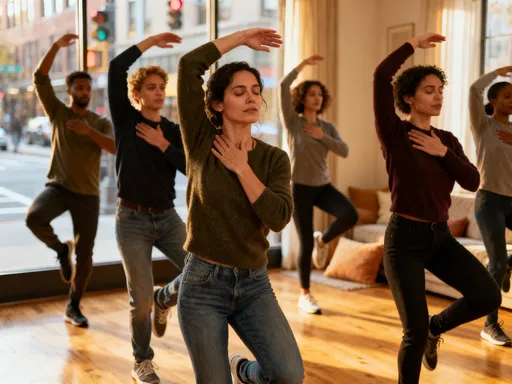
Tai chi, an ancient mind-body practice, has gained recognition for its benefits in joint health. Often described as “meditation in motion,” tai chi involves slow, flowing movements that improve balance, coordination, and joint awareness. Studies have shown that regular practice can reduce joint stiffness and improve physical function, particularly in the knees and hips. The gentle weight shifting and controlled postures help build strength and stability without strain. Many community centers and senior programs offer tai chi classes, and beginner videos are widely available online. The key is to move with intention, focusing on breath and alignment rather than speed or intensity.
When incorporating these exercises into your routine, consistency matters more than intensity. Aim for moderate effort—enough to feel warm and slightly breathless, but still able to speak in short sentences. For most adults, health guidelines recommend at least 150 minutes of moderate-intensity aerobic activity per week, spread across several days. If you’re new to exercise or managing joint discomfort, start slowly and listen to your body. You can modify activities to suit your needs: walk on softer surfaces like grass or a track, use a water noodle for support in the pool, or reduce the resistance on a bike. The goal is not to push through pain but to build a sustainable habit that supports long-term joint health. Over time, these small, consistent efforts add up to significant improvements in mobility and comfort.
Strengthening Around the Joint: Targeted Techniques That Work
While cardiovascular exercise supports overall joint function, strength training plays a unique role in protecting joints by building the muscles that support them. Strong muscles act like shock absorbers, reducing the load placed directly on the joint. For example, the quadriceps and hamstrings help stabilize the knee, while the glutes and core muscles support the hips and lower back. When these muscles are weak, the joint must compensate, leading to increased wear and a higher risk of injury. Targeted strengthening exercises can correct imbalances, improve alignment, and enhance joint stability—all without requiring heavy weights or gym equipment.
Bodyweight exercises are an excellent starting point. Wall squats, for instance, build strength in the thighs and glutes while minimizing stress on the knees. To perform one, stand with your back against a wall and slowly slide down until your knees are bent at about 90 degrees, then press back up. Keep your knees aligned over your toes and avoid letting them extend past your feet. Start with 2 sets of 8 to 10 repetitions and gradually increase as strength improves. Glute bridges are another effective move. Lie on your back with knees bent and feet flat on the floor. Lift your hips toward the ceiling, squeezing your glutes at the top, then lower slowly. This strengthens the posterior chain and supports the lower back and hips.
For the upper body, seated rows with resistance bands help strengthen the muscles between the shoulder blades and along the spine. Sit on the floor or a chair with legs extended and loop a resistance band around your feet. Hold the ends and pull the band toward your torso, keeping elbows close to your sides. This improves posture and reduces strain on the shoulder joints. All these exercises should be performed with slow, controlled motion—speed does not increase effectiveness and can increase the risk of injury. Focus on form and muscle engagement rather than how many repetitions you can complete.
Strength training doesn’t have to be time-consuming. Two to three sessions per week, lasting 20 to 30 minutes, are sufficient to see benefits. The goal is progressive improvement, not perfection. Over time, stronger muscles lead to less joint strain, improved posture, and greater confidence in daily movements. Whether lifting a suitcase, climbing stairs, or standing up from a chair, your body will feel more capable and resilient. By investing in muscle strength, you are investing in long-term joint protection.
Flexibility & Mobility: Daily Habits for Smoother Motion
Flexibility and mobility are often used interchangeably, but they are not the same. Flexibility refers to the ability of a muscle to lengthen, while mobility is the ability of a joint to move freely through its full range of motion. Both are essential for joint health, but mobility is especially important for functional movement. Imagine trying to reach for a high shelf—if your shoulder joint lacks mobility, no amount of muscle stretching will fully solve the problem. Improving mobility involves not just stretching but also joint articulation and neuromuscular control. The good news is that both can be enhanced with simple, daily habits.
Gentle stretching is most effective when done after exercise or at the end of the day, when muscles are warm. Begin with neck rolls: sit comfortably and slowly tilt your head to one side, bringing your ear toward your shoulder. Hold for 15 to 20 seconds, then switch. Avoid rolling the head in full circles, as this can strain the cervical spine. For the shoulders, try cross-body arm stretches: bring one arm across your chest and use the other arm to gently press it closer. This opens up the shoulder capsule and improves mobility. Hamstring stretches are crucial for lower back and hip health. Sit on the edge of a chair with one leg extended and heel on the floor. Lean forward slightly from the hips until you feel a stretch in the back of the thigh. Keep your back straight to avoid straining the spine.
Consistency is more important than intensity. Stretching should never cause pain—only a mild pulling sensation. Overstretching can lead to microtears in the muscle or ligament, increasing inflammation and discomfort. Aim to stretch daily, even if only for 5 to 10 minutes. Pair stretching with deep, slow breathing to enhance relaxation and circulation. Over time, improved flexibility and mobility translate into smoother, more comfortable movement. Simple tasks like tying shoes, getting in and out of the car, or turning to check a blind spot become easier and less painful.
Incorporating mobility exercises into your routine doesn’t require extra time. You can perform ankle circles while brushing your teeth, do seated spinal twists during TV commercials, or stretch your arms overhead while waiting for the kettle to boil. These small habits accumulate, supporting joint health in ways that are both practical and sustainable. The goal is not to achieve extreme flexibility but to maintain functional movement that supports independence and quality of life.
Putting It All Together: Building a Sustainable Routine
Protecting your joints isn’t about doing one perfect workout—it’s about creating a balanced, consistent routine that combines cardio, strength, and mobility work. A sample weekly plan might include 30 minutes of walking five days a week, two sessions of bodyweight strength exercises, and daily stretching or mobility drills. For example, Monday, Wednesday, and Friday could be walking days, with a short strength session on Tuesday and Thursday. Saturday might include a longer walk or a swim, and Sunday can be a rest or gentle stretching day. This structure provides variety, prevents overuse, and keeps the routine manageable.
Common obstacles like lack of time, low motivation, or occasional flare-ups can derail even the best intentions. To overcome these, plan ahead. Schedule movement like any other important appointment. If time is tight, break activity into 10-minute segments—three short walks still add up to 30 minutes. On low-motivation days, focus on simply starting; often, once you begin, it’s easier to continue. If joint discomfort flares up, don’t stop moving entirely—switch to gentler activities like water exercise or seated stretches. Complete rest can worsen stiffness, so staying gently active is usually more beneficial.
Tracking progress doesn’t have to involve numbers or pain scales. Instead, notice how your body feels during daily tasks. Can you stand up from the floor more easily? Do you walk up stairs without holding the railing? These real-life improvements are powerful indicators of progress. They reflect not just physical changes but a growing confidence in your body’s ability to move. Finally, always consult with a healthcare provider before starting any new exercise program, especially if you have existing joint conditions or chronic pain. A doctor or physical therapist can help tailor recommendations to your specific needs, ensuring safety and effectiveness.
Joint protection isn’t about dramatic fixes—it’s built through small, smart choices every day. The right exercises don’t just ease discomfort; they restore confidence in your body’s ability to move freely. By embracing movement as a form of care, not punishment, you invest in long-term freedom and function. Start where you are, stay consistent, and let your body respond.