Salt, Silence, and Your Heart: What I Learned from Going Low-Sodium
Living with high blood pressure quietly crept up on me—until my doctor said, “Your salt habit is dangerous.” That moment changed everything. Cutting back on sodium wasn’t just a diet tweak; it became a life shift. I didn’t realize how much salt was hiding in my food, or how quickly it could harm my body. This is not about perfection—it’s about awareness, small changes, and protecting your long-term health. For many women in their 30s, 40s, and 50s, the demands of family, work, and daily routines often push personal health to the background. But what if one simple change—reducing salt—could quietly strengthen your heart, boost your energy, and add years to your life? This is not a drastic diet, but a sustainable, science-backed shift that starts with understanding what’s really in your food and how your body responds.
The Hidden Crisis: Why Sodium Overload Is a Silent Threat
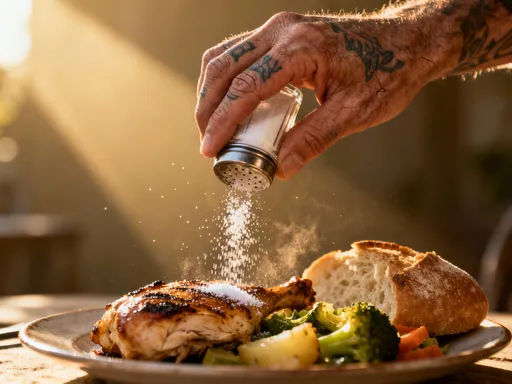
Sodium overload is one of the most widespread yet invisible health issues in modern life. Unlike acute illnesses that announce themselves with fever or pain, high sodium intake works silently, damaging the cardiovascular system over years without clear warning signs. The average adult consumes about 3,400 milligrams of sodium per day—far above the American Heart Association’s recommended limit of 2,300 milligrams, with an ideal target of no more than 1,500 mg for most adults, especially those with elevated blood pressure. The danger lies not in occasional table salt use, but in the cumulative effect of sodium hidden in everyday foods. Many people assume that if food doesn’t taste salty, it must be low in sodium. This misconception is dangerously misleading. A slice of whole grain bread, marketed as a healthy choice, can contain over 200 milligrams of sodium. A single serving of canned soup may deliver more than half the daily recommended limit. These small amounts add up quickly, often without awareness.
The consequences of long-term sodium excess are well documented. Over time, elevated sodium levels contribute to the development of hypertension, a leading risk factor for heart disease and stroke—two of the top causes of death among women in the United States. Because blood pressure rises gradually, many women do not recognize the problem until a routine checkup reveals troubling numbers. By then, the strain on the heart and blood vessels may already be significant. What makes this crisis particularly insidious is its invisibility. There is no immediate pain, no visible swelling in most cases—just a slow, steady pressure building inside the body. This silent progression allows habits to persist, often reinforced by convenience. Pre-packaged meals, takeout, and processed snacks dominate modern eating patterns, especially for busy women managing households and careers. These foods are engineered for shelf life and flavor, not heart health, and sodium is a key ingredient in that formula.
Another common myth is that only older adults need to worry about salt. In reality, the damage begins much earlier. The dietary patterns established in midlife have a profound impact on long-term cardiovascular health. Women in their 30s and 40s who consume high-sodium diets may not feel immediate effects, but the biological consequences are accumulating. The body’s ability to regulate fluid and pressure becomes less efficient with age, making early intervention critical. Recognizing sodium as a silent threat means shifting focus from taste to long-term well-being. It requires a mindset change—from seeing salt as a harmless seasoning to understanding it as a powerful physiological influencer. Awareness is the first step toward change, and for many, that awareness comes not from symptoms, but from a single conversation with a doctor, a blood pressure reading, or a moment of realization at the grocery store.
How Salt Affects Your Body: A Clear Breakdown
To understand why sodium matters so much, it helps to see how it works inside the body. When you consume salt, the sodium component dissolves in the bloodstream and attracts water. This process increases blood volume because more fluid is pulled into the circulatory system. Think of your blood vessels like garden hoses: when water pressure is too high, the walls of the hose stretch and weaken over time. Similarly, elevated blood volume increases pressure against the walls of arteries, leading to hypertension. The heart must then pump harder to circulate blood, placing extra strain on cardiac muscle. Over months and years, this added workload can thicken the heart’s walls, reduce its efficiency, and increase the risk of heart failure.
The kidneys play a crucial role in managing sodium balance. Under normal conditions, they filter excess sodium from the blood and excrete it through urine. However, when sodium intake consistently exceeds the body’s needs, the kidneys can become overwhelmed. This leads to fluid retention, which further elevates blood pressure. In some individuals, especially those with reduced kidney function due to age or chronic conditions, this system becomes less effective, creating a cycle of increasing pressure and declining organ health. The body’s regulatory mechanisms are designed for balance, not constant overload. When that balance is disrupted, even slightly, the effects ripple through multiple systems.
Beyond the heart and kidneys, high sodium intake can impact other aspects of well-being. Many women report reduced bloating after cutting back on salt, as excess fluid is no longer being retained in tissues. Swollen hands, puffy faces, and tight-fitting rings are common signs of fluid retention linked to sodium. While these symptoms may seem minor, they are outward indicators of an internal imbalance. More importantly, sustained high blood pressure damages the delicate lining of blood vessels, making them more susceptible to plaque buildup. This process, known as atherosclerosis, narrows arteries and reduces blood flow, increasing the risk of heart attack and stroke. The body is resilient, but it is not designed to operate under constant pressure. Each meal high in sodium adds to the cumulative load, even if the effects are not immediately felt.
Understanding this biological chain reaction helps explain why small changes can have a big impact. Reducing sodium intake—even by a few hundred milligrams per day—can begin to lower blood pressure within weeks. The body responds quickly when given the chance to rebalance. This is not about eliminating salt entirely, which would be both impractical and potentially harmful, but about bringing intake into a healthier range. The goal is to support the body’s natural regulatory systems, not overwhelm them. By viewing sodium through a physiological lens, rather than just a flavor enhancer, women can make more informed choices that align with long-term health goals.
Spotting the Sneaky Sources: Where Salt Hides in Plain Sight
One of the biggest challenges in reducing sodium is recognizing where it actually comes from. Contrary to popular belief, only about 11% of dietary sodium comes from the salt shaker at the dinner table. The vast majority—nearly 70%—comes from processed and restaurant foods. This means that even if you never add salt to your meals, you could still be consuming dangerous levels of sodium. Common culprits include canned soups, frozen dinners, deli meats, cheese, sauces, and even breakfast foods like cereals and bagels. A single slice of processed cheese can contain 400 milligrams of sodium, while a store-bought rotisserie chicken—often seen as a healthy convenience—can deliver over 1,000 milligrams per serving due to brining.
Reading nutrition labels is one of the most effective ways to uncover hidden sodium. The key is to check the milligrams per serving and pay close attention to serving size, which is often smaller than what people actually consume. For example, a package of instant rice may list 700 milligrams of sodium per serving, but the entire box contains two or three servings. Eating the whole package means doubling or tripling the sodium intake without realizing it. Another red flag is marketing language like “low-fat” or “healthy.” Many low-fat products compensate for flavor loss by adding extra salt. A low-fat salad dressing, for instance, might contain more sodium than its regular counterpart. Similarly, foods labeled “natural” or “organic” are not necessarily low in sodium—these terms refer to farming practices, not salt content.
Bread is one of the most surprising sources of sodium. Because it is consumed in frequent, often large quantities, its contribution to daily intake is significant. A single bagel can contain 700 to 1,000 milligrams of sodium, surpassing the salt content of a full bag of potato chips. Condiments like soy sauce, ketchup, and barbecue sauce are also sodium bombs—one tablespoon of soy sauce can contain over 1,000 milligrams. Even sweet foods like muffins and cookies can be high in salt, as sodium is used to enhance flavor and preserve shelf life. Restaurant meals pose another major challenge. A typical entrée at a casual dining restaurant can contain an entire day’s worth of sodium in a single dish. Without portion control or ingredient transparency, it’s easy to exceed limits without knowing.
Becoming aware of these hidden sources requires a shift in shopping and eating habits. Choosing fresh fruits, vegetables, lean proteins, and whole grains in their natural form is the most reliable way to control sodium. When purchasing packaged goods, comparing labels and selecting lower-sodium options—even if they cost slightly more—can make a meaningful difference. Over time, this awareness becomes second nature, turning label reading into a routine part of grocery shopping. The goal is not perfection, but progress—making better choices more often than not.
The Shift: How I Changed My Eating Habits Without Feeling Deprived
When I first decided to reduce my sodium intake, I worried it would mean giving up flavor, convenience, and the foods I loved. I imagined bland meals, constant cooking, and social situations where I’d have to explain my choices. What I discovered instead was a gradual and empowering transformation. The change didn’t happen overnight. I started by eliminating the most obvious high-sodium foods—canned soups, frozen pizzas, and packaged snacks—and replacing them with homemade versions. Cooking at home gave me full control over ingredients, and I quickly realized how much better food tasted when made from scratch. A simple vegetable soup with fresh herbs and low-sodium broth was far more satisfying than any canned alternative.
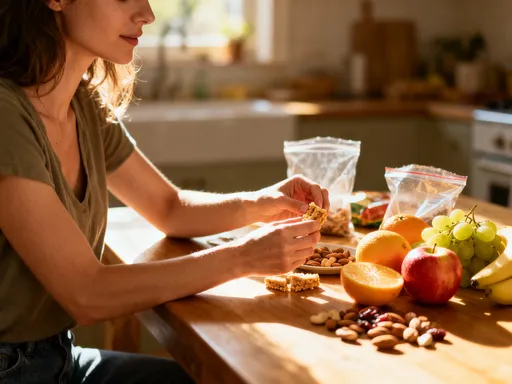
One of the most helpful strategies was batch cooking. On weekends, I would prepare large portions of low-sodium meals—like grain bowls, roasted vegetables, and grilled chicken—and store them for the week. This eliminated the temptation to order takeout on busy evenings. I also learned to read labels religiously, not just on obvious items like sauces and snacks, but on staples like bread and canned beans. Rinsing canned beans before use became a habit, cutting sodium by nearly half. I discovered low-sodium versions of my favorite products, such as soy sauce and broth, which made transitions easier without sacrificing taste.
Dining out required new approaches. I began asking questions—requesting meals to be prepared without added salt, asking for dressings on the side, and choosing grilled over fried options. Most restaurants were accommodating, especially when I framed the request as a health necessity rather than a preference. I also learned to enjoy smaller portions, sharing entrees or taking half home. Social gatherings became less stressful once I started bringing low-sodium dishes to potlucks or offering to host. These small adjustments added up, creating a sustainable routine rather than a restrictive diet. The key was consistency, not perfection. If I slipped up and ate something high in sodium, I didn’t dwell on it. I simply returned to my usual habits the next day.
Flavor Without the Salt: Building a New Palate
One of the most surprising benefits of reducing sodium was how my taste preferences changed. Within a few weeks, foods I once thought flavorful began to taste overly salty. What had once seemed normal now tasted harsh and unbalanced. This shift revealed an important truth: taste is adaptable. The more salt you consume, the more you need to perceive flavor. Reducing intake resets the palate, making natural flavors more vibrant and satisfying. Fresh tomatoes tasted sweeter, herbs more aromatic, and grilled vegetables more nuanced. This transformation turned healthy eating into a pleasure, not a sacrifice.
To enhance flavor without salt, I explored a variety of seasonings. Garlic, onion, black pepper, cumin, paprika, and turmeric became staples in my kitchen. I experimented with citrus—lemon and lime juice added brightness to salads, fish, and grains. Vinegars like balsamic, apple cider, and red wine provided tangy depth. Fresh herbs such as basil, cilantro, parsley, and dill brought freshness to dishes. Umami-rich ingredients like mushrooms, tomatoes, and nutritional yeast added savory depth without sodium. I created simple spice blends—like an Italian mix of oregano, basil, and garlic powder—that I kept in jars for quick use.
Cooking methods also made a difference. Roasting vegetables caramelized their natural sugars, enhancing sweetness without added salt. Grilling imparted smoky flavor, while sautéing with olive oil and garlic created richness. Marinating proteins in yogurt, citrus, and spices added tenderness and taste. These techniques proved that delicious food doesn’t depend on salt. Instead, it relies on variety, texture, and thoughtful preparation. Over time, I found that I no longer missed salty snacks. My cravings shifted toward whole, flavorful foods that nourished both body and taste buds.
The Real Benefits: What Happened to My Health and Energy
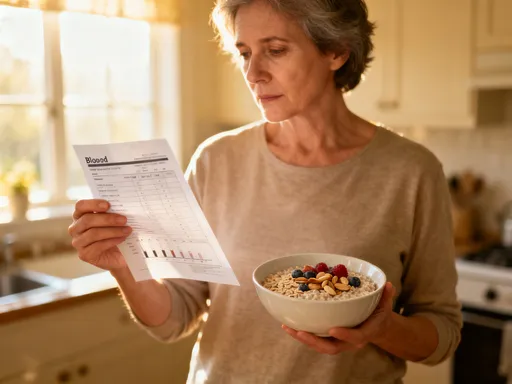
After six months of consistent low-sodium eating, the changes in my health became measurable and meaningful. My blood pressure, which had hovered around 140/90 mm Hg, dropped to a stable 120/80 mm Hg—the ideal range. My doctor noted the improvement and reduced my medication dosage. I also experienced less bloating, especially in the mornings, and my rings fit more comfortably. Friends commented that I looked less puffy and more energetic. While these changes may seem subtle, they represented a significant shift in how I felt day to day.
My energy levels became more stable. I no longer experienced the mid-afternoon crashes that used to send me searching for a snack. I attributed this not just to lower sodium, but to the overall improvement in diet quality—more whole foods, fewer processed items. I slept better, woke up feeling refreshed, and had more stamina for daily activities. These benefits were not dramatic or immediate, but they were consistent and lasting. They reinforced the idea that small, sustainable choices lead to real results over time.
It’s important to note that individual responses vary. Some women may see faster improvements, while others may need additional lifestyle changes—such as increased physical activity or weight management—to achieve optimal blood pressure. The point is not to promise miracles, but to highlight what is possible with consistent effort. Reducing sodium is not a cure-all, but it is a powerful, evidence-based step toward better heart health. For women juggling multiple responsibilities, it offers a way to care for themselves without requiring drastic overhauls.
Making It Last: Turning a Diet Change into a Lifestyle
Long-term success with a low-sodium diet is not about willpower—it’s about creating systems that support healthy choices. Willpower fades; habits endure. The most effective strategies I adopted were practical and repeatable: planning meals in advance, keeping healthy ingredients on hand, and making label reading a reflex. I organized my pantry to prioritize low-sodium options and kept a list of approved products on my phone for grocery shopping. These small routines removed decision fatigue and made healthy eating the default, not the exception.
Support also played a role. I involved my family in the change, explaining why it mattered and inviting them to try new recipes. Over time, they began to prefer the fresher, more balanced flavors. Eating together became an opportunity to model healthy habits for my children and partner. I also connected with online communities of women making similar changes, sharing tips and encouragement. Knowing I wasn’t alone made the journey easier.
Finally, I reframed the low-sodium choice not as a restriction, but as an act of self-respect. It was a way of honoring my body’s needs and investing in my future. For women who spend so much time caring for others, this shift was deeply empowering. It was a quiet, consistent promise to myself—one meal at a time. By understanding the science, recognizing hidden sources, and embracing flavorful alternatives, any woman can make this change. It’s not about perfection, but about progress. And in that progress lies the power to protect your heart, your energy, and your life for years to come.