How I Tamed My Lipids for Good — A Real Long-Term Exercise Journey
High lipids used to haunt my check-ups, but I refused to just accept it. Instead, I committed to a long-term exercise routine that slowly transformed my health. This isn’t a quick fix — it’s about consistency, smart choices, and real progress. If you’re tired of seeing those lab numbers rise, this story might just inspire your own turnaround. For years, I ignored the subtle warnings — fatigue after simple tasks, a growing waistline, and routine blood tests that always seemed to carry the same troubling note: elevated cholesterol and triglycerides. I told myself it was genetics, stress, or just part of getting older. But when my doctor gently suggested medication, something inside me resisted. I didn’t want to rely on a pill without first trying to change what I could — my daily habits. That decision marked the beginning of a journey that reshaped not only my lipid profile but my entire relationship with health and movement.
The Wake-Up Call: Facing My Lipid Problem
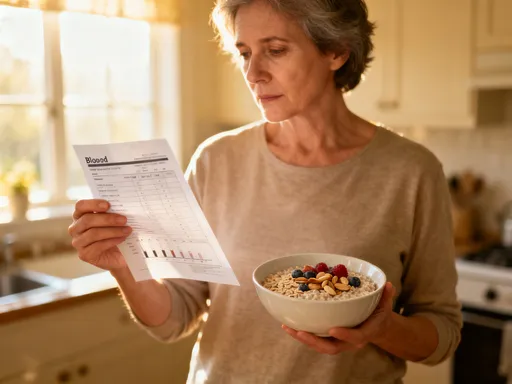
The moment came during a routine physical exam. I sat in the doctor’s office, flipping through a magazine, expecting the usual ‘all clear’ with minor reminders about eating more vegetables. Instead, the doctor looked up with a calm but serious expression and said, “Your LDL cholesterol is high, and your triglycerides are borderline high as well.” I remember feeling a mix of disbelief and guilt. I wasn’t overweight, I didn’t smoke, and I tried to eat reasonably well. How could this be happening? The numbers didn’t make sense to me at first — LDL, HDL, triglycerides — they sounded like alphabet soup. I left the office with a pamphlet and a sense of unease, but no clear plan.
At home, I started researching. I learned that LDL, often called “bad” cholesterol, contributes to plaque buildup in arteries, increasing the risk of heart disease. HDL, the “good” cholesterol, helps remove cholesterol from the bloodstream. Triglycerides, a type of fat in the blood, rise with excess calorie intake, especially from sugars and refined carbohydrates. My levels showed high LDL and triglycerides, with HDL on the lower end of normal. This combination is a known risk factor for cardiovascular issues, even in people without other obvious health problems. The more I read, the more I realized this wasn’t something I could ignore.
My first instinct was to look for quick fixes. I tried a popular 30-day cleanse, cut out red meat entirely, and even took an over-the-counter supplement advertised for heart health. My numbers improved slightly, but within months, they crept back up. I felt frustrated and defeated. It wasn’t until I had another conversation with my doctor that I understood why. She explained that while diet plays a role, long-term lipid control requires more than short-term changes. It demands sustainable lifestyle shifts, especially in physical activity. That was the turning point. I realized I wasn’t just fighting numbers on a lab report — I was learning to manage a chronic condition with daily choices. The emotional weight of that realization was heavy, but it also lit a quiet determination in me.
Why Exercise? The Science Behind Movement and Lipid Control
Understanding the role of exercise in lipid metabolism was the next critical step. I had always thought of exercise as a tool for weight loss or stress relief, not as a direct influencer of blood fats. But research shows that regular physical activity has a profound effect on lipid profiles. Aerobic exercise, in particular, increases HDL cholesterol, which helps transport excess cholesterol from the arteries back to the liver for processing. It also reduces triglyceride levels by improving the body’s ability to use fat for energy. Meanwhile, resistance training contributes to better insulin sensitivity and muscle mass, both of which support healthier lipid metabolism.
When you engage in moderate-intensity aerobic activity — like brisk walking, cycling, or swimming — your body begins to burn stored fat as fuel. This process, known as lipolysis, increases the rate at which triglycerides are broken down in fat tissue and used by muscles. Over time, this leads to lower circulating triglyceride levels. Studies have shown that consistent aerobic exercise can raise HDL by 5% to 10%, which may not sound like much, but in cardiovascular terms, even small improvements can reduce risk. One meta-analysis published in the journal Progress in Cardiovascular Diseases found that regular exercisers experienced significant reductions in LDL and triglycerides, with the greatest benefits seen in those who maintained activity over six months or longer.
What surprised me most was learning that exercise works differently than medication. Statins, for example, primarily lower LDL by blocking cholesterol production in the liver. Exercise, on the other hand, improves the entire metabolic system — enhancing how the body processes fats, sugars, and hormones. This holistic effect means that physical activity doesn’t just address one marker; it supports overall cardiovascular resilience. My doctor emphasized that while medication can be necessary, it’s most effective when combined with lifestyle changes. Without increased physical activity, the benefits of medication may be limited, and the risk of side effects or relapse remains higher. Exercise, she said, is not an alternative to medicine — it’s a partner to it.
My Starting Point: Realistic Goals for Long-Term Success
With this new understanding, I was ready to start, but I quickly realized I needed to be honest about where I was. I wasn’t an athlete. I hadn’t been to a gym in over a decade. My idea of exercise used to be chasing after my kids or rushing to catch the bus. I had no routine, no equipment, and frankly, no motivation beyond fear of my lab results. Pushing myself too hard at the beginning would have led to burnout or injury — and likely another failed attempt. So, I decided to focus on sustainability, not intensity.
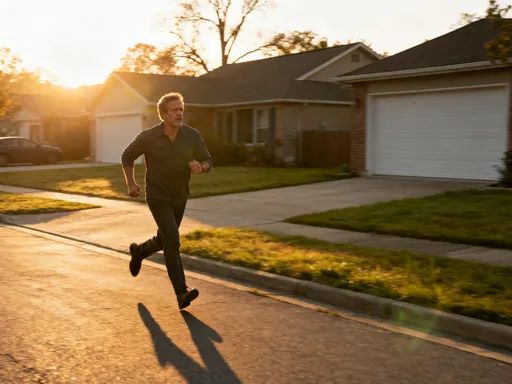
My first goal was simply to move every day. I started with 15 minutes of brisk walking after dinner. No tracking, no heart rate monitor, just consistent movement. I chose walking because it required no special gear, no membership, and could be done in my neighborhood, regardless of weather or schedule. I didn’t worry about speed or distance. The goal was to build the habit, not the performance. I reminded myself that consistency over time matters more than a single intense workout.
I also shifted my mindset from “fixing” my cholesterol to “supporting” my body. Instead of viewing exercise as punishment for bad numbers, I began to see it as a form of self-care — a daily gift to my future self. This mental reframe was crucial. It allowed me to be patient when progress was slow. I knew changes in lipid levels take weeks, even months, to appear in blood tests. But I also noticed subtle improvements: I had more energy, I slept better, and I felt stronger. These small wins kept me going, even when the scale didn’t move or my cholesterol panel didn’t change dramatically.
Building the Routine: My Weekly Exercise Plan That Actually Worked
After a few weeks of daily walks, I felt ready to expand. I designed a balanced weekly plan that included cardio, strength, and flexibility — the three pillars of long-term fitness. My schedule wasn’t rigid, but it had enough structure to keep me on track. I aimed for five days of activity, with two rest or active recovery days. Each week looked something like this: Monday, 30-minute brisk walk; Tuesday, bodyweight strength circuit (squats, lunges, push-ups, planks); Wednesday, cycling for 40 minutes; Thursday, yoga or stretching; Friday, another strength session; Saturday, a longer walk or hike; Sunday, complete rest or light stretching.
Cardiovascular exercise remained the core of my routine. I gradually increased my walking time to 45 minutes and incorporated intervals — alternating between fast and moderate paces — to boost cardiovascular efficiency. I also started using a simple pedometer to track steps, aiming for 8,000 to 10,000 daily. Cycling became a favorite because it was low-impact and enjoyable, especially on weekends when I could ride through parks or along trails. These activities not only improved my lipid metabolism but also reduced stress, which I later learned also plays a role in cholesterol regulation.
Strength training was initially intimidating, but I started with basic bodyweight exercises at home. I followed online videos designed for beginners, focusing on proper form over speed or reps. Over time, I added resistance bands and light dumbbells. Building muscle helped increase my resting metabolic rate, meaning I burned more calories even at rest. This supported fat loss and improved insulin sensitivity, both of which contribute to healthier lipid levels. Flexibility work, especially yoga, helped me stay injury-free and improved my posture and balance. It also became a form of mindfulness, helping me stay connected to my body’s signals.
To track progress, I avoided obsessing over daily numbers. Instead, I used a simple journal to log my workouts, energy levels, and how I felt overall. Every three months, I repeated my blood test and reviewed the results with my doctor. The first six months showed modest improvements — HDL increased slightly, triglycerides dropped by about 15%. It wasn’t dramatic, but it was real. More importantly, I had built a routine I could maintain without feeling overwhelmed.
Staying on Track: Overcoming Plateaus and Life’s Curveballs
About three months in, I hit a plateau. My energy was steady, but my lab numbers weren’t improving as fast as I hoped. I felt discouraged. I realized my body had adapted to my routine, and I needed to adjust. I increased the intensity of my cardio by adding hills to my walks and extending my cycling sessions. I also diversified my strength workouts, incorporating new exercises and slightly heavier resistance. Small changes like these helped reignite progress.
Life, of course, didn’t pause for my fitness journey. There were holidays with rich meals, busy workweeks that left me exhausted, and even a minor knee strain from overdoing squats. During these times, I learned the importance of flexibility — not just in my muscles, but in my mindset. I didn’t quit when I missed a workout. Instead, I practiced self-compassion and returned to my routine as soon as possible. I reminded myself that one missed day, or even a week, didn’t erase my progress.
The biggest shift came when I stopped thinking of exercise as something I “had to” do and started seeing it as something I “chose to” do. It became less about fixing a problem and more about honoring a commitment to myself. I began to enjoy the rhythm of my routine — the quiet morning walks, the satisfaction of completing a tough workout, the way my clothes fit better. This internal motivation proved far more powerful than any external pressure.
More Than Cholesterol: Unexpected Health Wins Along the Way
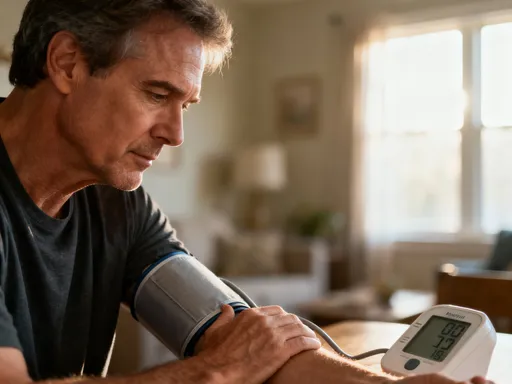
As the months passed, the benefits extended far beyond my lipid panel. I noticed I was sleeping more deeply and waking up feeling refreshed. My energy levels stabilized — no more afternoon crashes. My mood improved, and I felt more resilient in the face of daily stress. My blood pressure, which had been creeping up, returned to a healthy range. My waistline shrunk by two inches, even though my weight didn’t change much, indicating a shift from fat to muscle.
I also gained confidence in my physical abilities. I could carry groceries up stairs without getting winded, play actively with my grandchildren, and keep up on family hikes. These small victories reinforced the value of what I was doing. I wasn’t just lowering numbers — I was improving my quality of life. My relationship with my body changed. Instead of criticizing it for its flaws, I began to appreciate it for what it could do. Movement became a celebration of strength and capability, not a punishment for indulgence.
Making It Last: Turning Exercise Into a Lifelong Habit
The final phase of my journey was about integration — making fitness a seamless part of my daily life. I stopped treating it as a separate task and began weaving it into my routine. I took walking meetings when possible, parked farther from store entrances, and did stretches while watching TV. I also found social support by joining a local walking group and sharing my progress with a close friend who had similar health goals. Accountability helped, but so did the simple joy of shared movement.
Routine cues became powerful allies. I laid out my walking shoes the night before. I scheduled workouts like appointments. I celebrated milestones — not with food, but with new workout gear or a massage. Most importantly, I learned to find joy in movement. I explored new activities like swimming and dance classes, which kept things fresh and fun. Exercise was no longer a chore — it was a source of energy, clarity, and peace.
This journey wasn’t about perfection. There were days I skipped workouts, ate too much at dinner, or felt too tired to move. But I kept going. I learned that long-term health isn’t built in a day — it’s built in small, consistent choices. By choosing a sustainable, balanced approach to exercise, I didn’t just lower my lipids — I gained a deeper sense of control over my well-being. It’s not a phase. It’s a life upgrade. And if I can do it, so can you — one step at a time. Always consult your doctor before starting any new exercise plan, especially with existing health concerns.