Lost in the Green Heart of Montreal
Have you ever wandered into a city and stumbled upon wild forests, quiet marshes, and trails that feel a world away from urban life? I did — in Montreal. Beyond the murals and bagels lies a network of protected natural areas that preserve the soul of this vibrant city. These spaces aren’t just parks; they’re sanctuaries where nature and city coexist. Let me take you through the hidden green lungs that most tourists never discover.
The Unexpected Wild Side of a Modern City
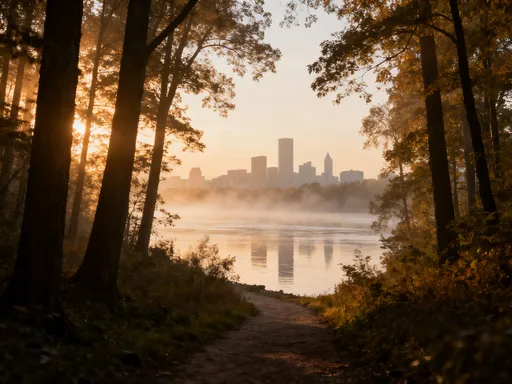
Montreal is often celebrated for its European flair, dynamic arts scene, and culinary excellence. Yet beneath its cosmopolitan surface beats a surprisingly wild rhythm — one shaped by forests, wetlands, and riverine ecosystems preserved within the city’s boundaries. While visitors flock to Old Montreal or Mount Royal Park, few realize that nearly 14 percent of the island’s total area is dedicated to protected green space. This is not incidental greenery, but a deliberate network of conservation zones, ecological reserves, and regional parks managed by municipal and regional authorities. These areas serve critical roles: filtering air and water, supporting biodiversity, and offering residents a refuge from the pace of urban life.
What defines a protected area in Montreal goes beyond traditional city parks. Unlike landscaped lawns or playgrounds, these zones prioritize ecological integrity. They restrict development, limit infrastructure, and follow science-based management plans to preserve native flora and fauna. Some, like the Bois-de-l’Île-Bizard, are remnants of ancient forests that once covered the island. Others, such as the Lac-Saint-Étienne conservation area, protect rare wetland habitats. Together, they form a green mosaic that supports over 250 species of birds and more than 800 plant species, including several at-risk varieties like the butternut tree and the eastern red-backed salamander.
The existence of these spaces reflects a growing recognition that cities must coexist with nature to remain livable. In Montreal, this vision has been advanced through collaboration between environmental NGOs, municipal planners, and Indigenous communities who have long stewarded the land. The result is a city where one can cycle from a bustling downtown street to a silent forest trail in under 30 minutes. This proximity to wilderness isn’t a luxury — it’s a vital component of urban well-being, offering psychological relief, physical activity, and environmental education all in one.
Exploring Île aux Hérons: A Sanctuary for Stillness
Just a short ferry ride from the eastern tip of the Island of Montreal lies Île aux Hérons, a slender strip of land cradled by the currents of the Saint Lawrence River. Its name, meaning “Heron Island,” hints at its true identity — a haven for wading birds, turtles, and quiet seekers of solitude. Accessible only by seasonal ferry or private boat, this 65-hectare reserve remains untouched by commercial development. There are no cafés, no gift shops, not even restroom facilities. What exists are wooden boardwalks, gravel paths, and the soft rustle of reeds in the wind.
A morning visit reveals the island at its most alive. Mist rises off the marshes as great blue herons stalk the shallows, their reflections stretching across the glassy water. Red-winged blackbirds call from cattails, and painted turtles bask on sun-warmed logs. The trail loops through a mosaic of habitats — from sedge meadows to stands of silver maple and ash. Along the way, interpretive signs in French and English explain the ecological importance of each zone, emphasizing how delicate these systems are. Visitors are reminded to stay on marked paths, avoid loud noises, and never feed wildlife — simple rules that ensure the island remains undisturbed.
The experience of walking here is less about destination and more about presence. Time slows. Thoughts untangle. The constant hum of the city fades into memory. For families, it’s a chance to teach children about wetland ecosystems in a real, immersive way. For individuals, it’s a space for contemplation, sketching, or simply sitting on a bench and watching the river flow. The ferry departs from the Pointe-aux-Trembles district, operating on weekends from late spring through early fall. Tickets are modestly priced, and reservations are recommended during peak months. Because visitor numbers are capped to protect the habitat, arriving early ensures a peaceful experience.
Île aux Hérons exemplifies how small, carefully managed spaces can deliver profound benefits. It does not offer adrenaline-pumping adventures or Instagrammable landmarks. Instead, it offers something rarer in modern life: stillness. And in that stillness, a deeper connection to the natural world begins to grow.
Cap-Saint-Jacques: Where Forest Meets Farm
Spanning over 600 hectares on the western tip of the Island of Montreal, Cap-Saint-Jacques Nature Park is the largest protected natural area within the city limits. It is also one of the most diverse, seamlessly blending dense forests, agricultural land, and a freshwater beach along the Lake of Two Mountains. Unlike many urban parks that prioritize recreation, Cap-Saint-Jacques balances public access with conservation and education, making it a model of sustainable land use.
Entering the park, visitors are greeted by a sensory tapestry. The scent of pine and damp earth rises from the forest floor. Chickens cluck near the organic farm, where goats, sheep, and rabbits roam in enclosures designed for both animal welfare and visitor interaction. Children feed the animals under supervision, while adults browse seasonal produce at the farmstand — carrots still dusted with soil, jars of local honey, and bundles of fresh herbs. The farm operates under ecological principles, using composting, crop rotation, and natural pest control to minimize environmental impact.
Trails branch out in all directions, catering to different levels of experience. The Sentier des Érables, a 2.5-kilometer loop, is ideal for families, winding through sugar maple groves and past interpretive panels about forest ecology. More adventurous hikers might choose the 7-kilometer Sentier du Littoral, which follows the shoreline and offers views of the lake and passing freighters. In winter, the park transforms into a haven for cross-country skiers and snowshoers, with over 18 kilometers of groomed trails maintained by park staff.
What sets Cap-Saint-Jacques apart is its integration of human activity within a protected landscape. The farm is not an afterthought — it is part of the park’s mission to demonstrate harmonious coexistence between agriculture and nature. Educational programs teach school groups about sustainable food systems, while weekend workshops cover topics like beekeeping and native plant gardening. The sandy beach, though modest by ocean standards, is a rare freshwater swimming option in the region, open from June to August with lifeguards on duty.
Visitors are encouraged to plan ahead. Parking is available but fills quickly on summer weekends. Bicycles are welcome, and a network of paved and gravel paths connects the park to nearby neighborhoods. Picnic areas with tables and fire pits invite longer stays, though open fires are permitted only in designated zones. By blending recreation, education, and conservation, Cap-Saint-Jacques proves that urban green spaces can be both functional and inspiring.
Anse-à-l'Orme: Urban Escape Without the Crowds
Tucked away in Montreal’s West Island, Anse-à-l'Orme Nature Park is a quiet gem often missed even by locals. Part of the larger Bois-de-l’Île-Bizard–Anse-à-l’Orme conservation complex, this 80-hectare site features meadows, groves of old-growth trees, and a scenic bend in the Rivière des Prairies. Its trails are neither crowded nor overly developed, preserving a sense of discovery for those who seek it out.
A late afternoon walk through Anse-à-l'Orme reveals a landscape in gentle transition. Goldenrod and asters bloom in sunlit clearings, attracting butterflies and bees. White pine and bur oak stand tall in the upland forests, their roots gripping ancient glacial deposits. Along the riverbank, willows dip into the current, and sandpipers dart across exposed mudflats during low tide. The park serves as a crucial stopover for migratory birds, including warblers, thrushes, and waterfowl, making it a favorite among amateur birdwatchers.
What makes Anse-à-l'Orme particularly valuable is its role in protecting native plant communities. Invasive species like garlic mustard and buckthorn are actively managed through volunteer-led removal efforts, allowing indigenous plants such as trillium, bloodroot, and wild ginger to thrive. Interpretive signs highlight these efforts, explaining how even small actions — like cleaning hiking boots — can prevent the spread of invasive seeds.
Access is straightforward. A small parking lot off Gouin Boulevard West provides entry, and trail maps are posted at the kiosk. The main loop is approximately 4 kilometers, mostly flat and well-marked with wooden posts. Benches are placed at scenic overlooks, inviting pauses to absorb the surroundings. Because the park sees fewer visitors than more famous sites, it offers a rare quality in urban nature: uninterrupted quiet. Dog walkers, joggers, and photographers share the space respectfully, each moving at their own pace.
For families, the park offers a safe, natural playground. Children climb on fallen logs, build cairns by the river, and search for frogs among the reeds — all under the watchful eye of nature’s rhythms. Seasonal events, such as guided night walks to observe bats or spring wildflower tours, deepen engagement with the environment. Anse-à-l'Orme may not have dramatic vistas or grand facilities, but its authenticity is its greatest strength.
The Greenbelt Movement: How Montreal Protects Its Natural Spaces
The preservation of Montreal’s natural areas is not accidental — it is the result of decades of planning, advocacy, and cross-sector collaboration. At the heart of this effort is the concept of a greenbelt: a continuous network of protected lands that encircle and penetrate urban zones, ensuring ecological connectivity. In Montreal, this vision is advanced by organizations like the Société de protection des forêts d’Acadie (SPFA) and the Regroupement QuébecOiseaux, working alongside municipal and provincial agencies.
One of the key strategies is the creation of green corridors — strips of land that link isolated habitats, allowing animals to move safely and plants to disperse seeds. These corridors prevent genetic isolation and increase resilience to climate change. For example, the Migratory Birds Corridor Project connects wetlands from the eastern to the western edge of the island, providing safe passage for species like the common snipe and the spotted sandpiper. Such initiatives rely on land acquisition, conservation easements, and partnerships with private landowners.
Public policy also plays a crucial role. Montreal’s 2020 Urban Biodiversity Strategy set ambitious targets, including expanding protected areas to 17 percent of the island by 2030 and planting 500,000 native trees. The city has committed to reducing pesticide use in parks, restoring degraded habitats, and involving citizens in monitoring programs. These measures are not just environmental — they are public health investments. Studies have shown that access to green space correlates with lower rates of anxiety, improved concentration, and increased physical activity.
Citizen science has become a powerful tool in this movement. Volunteers participate in bird counts, water quality testing, and tree inventories, contributing real data to conservation planning. Schools adopt local parks for stewardship projects, and neighborhood groups organize clean-up days. This grassroots engagement fosters a sense of ownership and responsibility, turning abstract environmental goals into tangible community actions.
The greenbelt movement in Montreal reflects a broader shift in how cities view nature — not as something to be conquered or contained, but as an essential partner in urban life. By protecting these spaces, the city is not just saving trees and birds; it is safeguarding the well-being of its people.
Why Wandering Matters: The Human Need for Untamed Corners
In a world governed by schedules, screens, and constant connectivity, the simple act of wandering through a forest or sitting by a marsh may seem indulgent. Yet research in environmental psychology suggests it is anything but. Immersion in natural environments — especially those with minimal human intervention — has measurable effects on mental clarity, emotional regulation, and creative thinking. The Japanese practice of shinrin-yoku, or “forest bathing,” has inspired studies showing that even 20 minutes in a green space can lower cortisol levels and reduce blood pressure.
What makes Montreal’s protected areas so restorative is their lack of programming. There are no timed tours, no audio guides, no required paths. Visitors are free to wander without purpose, to follow a deer trail just to see where it leads, or to sit on a rock and watch clouds drift. This unstructured time allows the mind to enter a state of soft fascination — a gentle engagement with the environment that promotes reflection and insight.
For women in particular — many of whom juggle caregiving, work, and household responsibilities — these spaces offer a rare form of liberation. Here, there is no need to manage, organize, or perform. A mother can walk without pushing a stroller. A grandmother can pause without being needed. A woman alone is not conspicuous — she is simply part of the landscape. In this way, nature becomes not just a place to visit, but a space to reclaim oneself.
The benefits extend beyond the individual. Families who explore these areas together often report deeper conversations and stronger bonds. Children develop a sense of wonder and respect for living things. Couples rediscover quiet companionship. These moments, though fleeting, accumulate into a greater sense of balance and belonging. In the stillness of a marsh at dawn or the dappled light of a forest path, something essential is restored — not just to the land, but to the human spirit.
How to Explore Responsibly: A Practical Guide for Visitors
Visiting Montreal’s protected areas is a privilege, and with it comes responsibility. The guiding principle is simple: leave no trace. This means staying on marked trails to prevent soil erosion and trampling of native plants, carrying out all garbage (including food scraps), and avoiding the use of single-use plastics. Even biodegradable items like apple cores can disrupt local ecosystems by attracting rodents or introducing non-native seeds.
Dogs are welcome in many of these parks but must be kept on a leash at all times. This protects wildlife from stress and predation, and ensures the safety of other visitors. Pet waste should be collected and disposed of properly — never left in the woods or buried shallowly. Cyclists should stick to designated paths and yield to pedestrians, especially on narrow trails.
Planning ahead enhances both enjoyment and sustainability. Checking the park’s website for trail conditions, closures, and seasonal guidelines helps avoid disappointment. Public transit options, such as STM buses or the Navette Nature shuttle to Cap-Saint-Jacques, reduce carbon emissions and congestion. For those who drive, carpooling is encouraged, and parking should be limited to official lots to protect surrounding vegetation.
What you bring matters. Sturdy footwear, weather-appropriate clothing, and a reusable water bottle are essentials. A field guide or birding app can enrich the experience without disturbing the environment. Binoculars allow close observation without intrusion. And while smartphones are useful for photos and navigation, it’s worth setting them aside periodically to fully engage the senses.
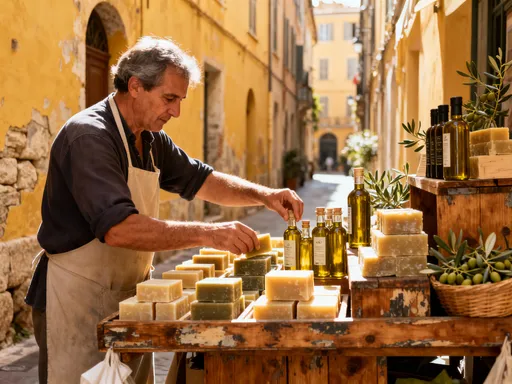
Finally, consider extending your visit beyond the park. Stopping at a local café or farmers’ market supports the surrounding communities and deepens the sense of place. Buying a handmade soap at a West Island boutique or enjoying a maple tart at a village bakery turns a nature outing into a holistic experience — one that honors both the land and the people who care for it.
The Quiet Pulse That Keeps Montreal Alive
Montreal is more than a city of festivals, food, and architecture. It is a living landscape, shaped by rivers, forests, and the quiet determination of those who protect them. Its protected natural areas are not ornamental — they are functional, vital, and deeply woven into the city’s identity. They clean the air, shelter wildlife, cool the summers, and soothe the human heart.
These green spaces remind us that urban life does not have to mean disconnection. Even in the busiest metropolis, wildness persists — in the rustle of leaves, the call of a hidden bird, the path that leads nowhere but inward. To wander these trails is not to escape the city, but to understand it more fully. It is to recognize that true beauty lies in balance — between built and natural, between activity and stillness, between progress and preservation.
So the next time you find yourself in Montreal, look beyond the postcard sights. Step off the main streets. Follow a trail into the trees. Let the city fade behind you, and listen for the quiet pulse that keeps it alive. In that stillness, you may just find what you didn’t know you were missing.