You Won't Believe Where I Ate the Best Seafood with a View
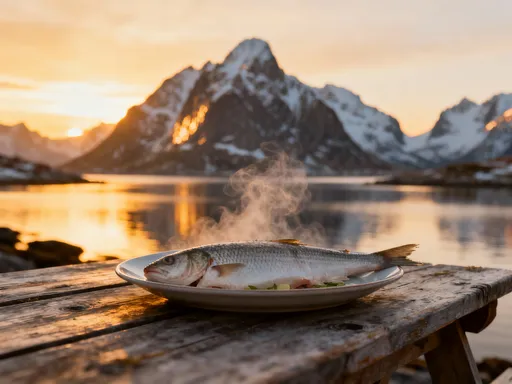
Nestled in the wild beauty of northern Norway, the Lofoten Islands offer more than just dramatic peaks and midnight sunsets. Imagine biting into fresh, briny Arctic cod as snow-capped mountains rise from the sea right in front of you. I’m talking real food, real views—where every meal feels like a moment stolen from a dream. This is not just travel; it’s total sensory immersion. The air carries the scent of salt and pine, the light lingers in golden hues long into the evening, and the food tastes like it was pulled from the ocean minutes before serving. In Lofoten, dining isn’t an interruption of the journey—it is the journey.
Why Lofoten’s Landscape Makes Every Meal Unforgettable
The Lofoten Islands rise like ancient sentinels from the Norwegian Sea, their jagged peaks cloaked in mist and light depending on the hour. This dramatic topography doesn’t just frame the views—it transforms the act of eating into something sacred. When you sit down to a plate of grilled halibut with the sun setting behind a fjord, the experience transcends flavor alone. The surrounding landscape amplifies every bite, creating a harmony between taste, sight, and atmosphere. Scientific studies have shown that our perception of food is deeply influenced by environment—natural settings reduce stress and heighten sensory awareness, making meals taste richer, more satisfying.
Here, the mountains aren’t just a backdrop—they are participants in the meal. The crisp, clean air carries the scent of seaweed and cold water, priming the appetite before the first bite. The silence, broken only by lapping waves or distant bird calls, allows full attention to the texture of seared skin or the delicate flake of fresh cod. Even simple meals become memorable because they are served within a living canvas of light, water, and rock. The islands’ lack of urban development means minimal light pollution and unspoiled vistas, ensuring that whether you’re dining at noon under a high summer sun or at midnight beneath a glowing sky, the setting remains pristine.
What sets Lofoten apart from other coastal destinations is the immediacy of nature. There are no barriers between diner and landscape—no high walls, no crowded promenades. Many restaurants are built on stilts over the water or nestled into coves, placing guests just feet from where the fish were caught. This proximity creates a powerful emotional connection. Eating here isn’t passive consumption; it’s participation in a cycle that begins in the sea and ends at the table. The result is a dining experience that feels authentic, intentional, and deeply grounding—a rare quality in an age of fast food and mass tourism.
Hunt for the Freshness: Where Local Food Begins
The foundation of Lofoten’s culinary reputation lies in its centuries-old fishing tradition. Every winter, fleets of small boats brave the cold North Atlantic to harvest Arctic cod, a migration that has sustained island communities for generations. This seasonal run, known locally as the *skrei* migration, brings fish rich in oil and flavor due to their long journey from the Barents Sea. The practice of air-drying cod, called *tørrfisk*, dates back over a thousand years and remains a visible part of the islands’ identity—rows of fish hung on wooden racks, known as *hjell*, stretch across villages like natural sculptures.
These drying racks are more than cultural relics—they are active food production sites. The cold, dry wind and low humidity of the region create perfect conditions for preserving fish without refrigeration. Many families still prepare *tørrfisk* at home, passing down techniques through generations. When rehydrated and cooked, this dried cod becomes the base for traditional dishes like *baccalà* or *lutefisk*, though in Lofoten it’s often served simply—pan-seared with butter and herbs to highlight its clean, oceanic taste. The commitment to traditional methods ensures both flavor and sustainability, as air-drying requires no energy input and produces zero waste.
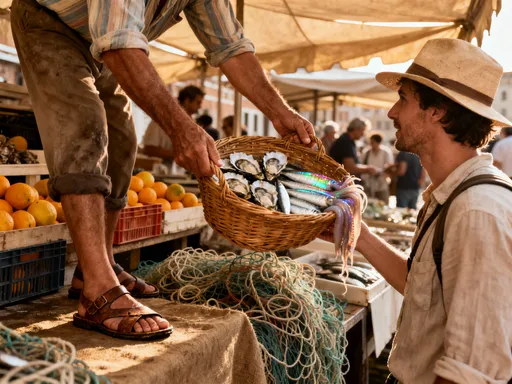
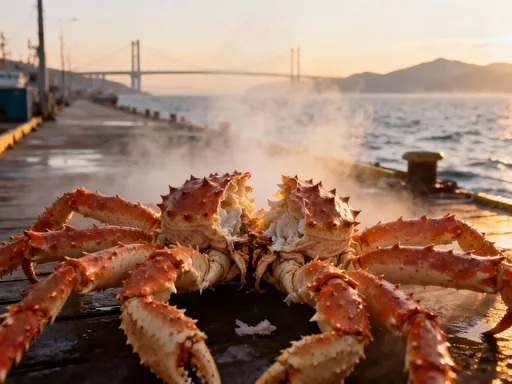
Visitors can witness this food culture firsthand at local morning markets in villages like Svolvær and Henningsvær. Fishermen arrive before dawn, unloading the night’s catch directly onto tables lined with ice. There’s no middleman, no long supply chain—what you see is what was pulled from the sea hours earlier. Shrimp, crab, halibut, and cod are all available, often still glistening with seawater. Vendors proudly explain the origin of each item, and many offer samples grilled on portable stoves. This transparency builds trust and deepens appreciation. It’s one thing to read about sustainable seafood; it’s another to taste it moments after it left the ocean, knowing exactly where it came from and how it was caught.
Hidden Harbor Eats: Coastal Spots Where Food Meets Vista
Away from the main roads and tour buses, tucked into quiet inlets and rocky shores, lie the true gems of Lofoten’s food scene. These are not Michelin-starred restaurants but humble kitchens run by fishermen’s wives, retired sailors, or young entrepreneurs returning to their roots. In places like Nusfjord—a preserved fishing village dating back to the 1700s—small cafés serve seafood chowder in handmade bread bowls while customers sit on driftwood benches overlooking the harbor. The menu is short, often written on a chalkboard, and changes daily based on the catch.
One such spot is a roadside hut near Å, the southernmost village in the archipelago. With no official name and only a hand-painted sign, it operates seasonally, opening when the fishing is good and the weather permits. Here, visitors can buy poached cod sandwiches wrapped in parchment paper, served with a slice of lemon and a side of pickled vegetables. The view? A mirror-like fjord reflecting the twin peaks of Vågakallen and Litlmolla. There’s no indoor seating, only a few stools and a wooden counter, but people linger for hours, soaking in the light and the quiet. It’s not about comfort—it’s about authenticity. These meals aren’t designed for Instagram; they’re made for locals and thoughtful travelers who understand that the best experiences often come without branding or fanfare.
Another hidden favorite is a family-run kiosk in Ballstad, where smoked salmon is sliced to order and served on flatbread with dill cream and fresh radish. The owners, a married couple in their fifties, greet regulars by name and offer coffee in reusable mugs. Their smokehouse, a small shed behind the stand, uses alder wood from nearby forests, giving the fish a subtle, earthy flavor. What makes these places special isn’t just the food—it’s the sense of belonging they create. You’re not a customer; you’re a guest. And in a world where so much travel feels transactional, that distinction matters deeply.
Sunset Dining at Iconic Viewpoints: A Feast for the Senses
As the sun begins its slow descent in the summer months, casting golden light across the water, certain locations become natural dining destinations. Reinebringen, though famous for its hiking trail, also offers a quieter experience at its base—a small grassy area where travelers spread blankets and unpack picnic baskets. With the village of Reine below and the red-painted cabins glowing in the twilight, it’s the perfect setting for a simple yet profound meal. Locals often bring *fiskesuppe*, a creamy fish soup made with lobster stock, carrots, and white wine, served in thermoses alongside crusty bread.
Kvalvika Beach, accessible after a moderate hike, is another sunset hotspot. Once you reach the golden sands framed by towering cliffs, the effort melts away. Many visitors carry insulated bags with cold bottles of sparkling water, smoked mackerel on rye, and dark chocolate for dessert. As the sky shifts from pink to deep purple, the sound of waves fills the silence. Eating here feels elemental—like you’re part of an ancient rhythm, where humans have gathered around food and fire for millennia. The lack of facilities only adds to the charm; there’s no trash can, so everyone packs out what they bring, reinforcing a culture of respect for nature.
For those seeking a more structured experience, some guesthouses offer evening platters delivered to scenic spots. One operator in Moskenes provides a “dinner hike” service—guides lead small groups to a pre-set location with tables, lanterns, and a full meal of local ingredients. The menu might include seared scallops with brown butter, roasted root vegetables, and cloudberries for dessert. The journey enhances the meal, building anticipation with every step. By the time you sit down, appetite and awe are equally heightened. These curated experiences make luxury feel organic, blending comfort with wildness in a way that only Lofoten can achieve.
Mountain Panoramas with a Plate: Elevated Eating Experiences
For the adventurous eater, Lofoten offers dining experiences that require effort—and reward with unparalleled views. Hiking to mountain summits often ends not just with a vista, but with a well-earned meal. One popular route leads to the top of Hermannsdalstinden, the highest peak in the chain. While few carry full meals that far, many bring lightweight, high-energy foods—smoked reindeer sausage, open-faced sandwiches with cheese and cucumber, and thermoses of strong coffee. At the summit, perched above the clouds, even simple food tastes extraordinary. The cold air sharpens the senses, the silence deepens focus, and the vastness of the landscape puts everything into perspective.
For those who prefer a shorter climb, several mountain lodges offer sit-down meals with panoramic windows. One such place, accessible by a 30-minute hike from Henningsvær, serves a daily changing menu based on local availability. On a clear day, guests dine with a view stretching across five islands, the water below shimmering like crushed glass. The chef, trained in Oslo but drawn back by family ties, combines Nordic techniques with Lofoten ingredients—think poached cod with seaweed butter and roasted beetroot. The menu is printed on recycled paper, and all waste is carried back to the village for proper disposal, reflecting a deep commitment to environmental care.
Bringing food into these elevated spaces requires planning. Insulated bags, reusable containers, and layered packaging help keep meals warm and safe. It’s also important to follow Leave No Trace principles—no disposable wrappers, no single-use plastics. Many hikers now use collapsible bamboo utensils and cloth napkins, reducing impact while maintaining comfort. The effort involved in reaching these spots makes the meal more meaningful. You don’t just consume food; you earn it. And in doing so, you connect more deeply with the land, the people, and the traditions that make Lofoten unique.
Local Secrets: Talking to Fishermen and Home Cooks
Some of the most memorable meals in Lofoten happen off the map—invitations into homes, kitchens, and boats where food is more than sustenance; it’s storytelling. On a quiet afternoon in Hamnøy, a fisherman named Lars invited a group of travelers onto his boat after noticing their interest in his catch. As he cleaned the day’s cod, he explained how each part is used—the cheeks for frying, the liver for pâté, the roe for special occasions. Later, his wife Ingrid cooked a simple meal in their seaside home: boiled potatoes, melted butter, and pan-fried fish with dill. There was no menu, no price—just generosity.
These moments reveal the heart of Lofoten’s food culture: it’s communal, humble, and deeply rooted in respect for nature. Ingrid shared her grandmother’s method of salting fish using only sea salt and time, a technique that requires patience but delivers unmatched depth of flavor. She laughed as she described how tourists sometimes ask for ketchup—“We don’t serve ketchup with cod,” she said with a smile. “The fish speaks for itself.” Her kitchen, small and warm, filled with the scent of herbs and wood smoke, felt like a sanctuary. The meal lasted two hours, filled with stories, silence, and shared bread.
Elsewhere, in a village near Gimsøya, a retired teacher named Else runs a small cooking class from her summer cabin. Twice a week, she teaches visitors how to make *rakfisk* (fermented fish), *pinnekjøtt* (cured lamb), and traditional flatbreads. Her approach is educational but warm—she emphasizes that cooking is not about perfection but presence. “You don’t need fancy tools,” she says. “You need good ingredients and time.” Her students leave not just with recipes, but with a deeper understanding of Norwegian food philosophy: simplicity, seasonality, and gratitude. These personal encounters transform travel from sightseeing into relationship-building, reminding us that the best flavors often come with a human face.
How to Plan Your Own Food & View Adventure
Planning a trip to Lofoten with food and scenery in mind requires thoughtful preparation. The best time to visit is between May and September, when daylight lasts up to 24 hours and the weather is relatively mild. This period coincides with the end of the *skrei* season, meaning fresh cod is still available, along with shellfish and early summer vegetables. Booking accommodations in advance is essential—family-run guesthouses in villages like Reine, Å, and Ballstad offer proximity to both nature and local kitchens.
Packing wisely enhances the experience. Bring layered clothing—temperatures can shift quickly near the water. Waterproof boots are a must for hikes, and a lightweight backpack with insulated compartments helps carry meals safely. Consider bringing a small cooler for market purchases, especially if you plan to picnic. Reusable containers, utensils, and a thermos support sustainability and comfort. Don’t forget a headlamp—while the sun may never fully set, early mornings and late evenings can still be dim in sheltered areas.
Finding authentic food spots requires stepping beyond tourist hubs. Ask locals for recommendations—many restaurants don’t advertise online. Look for places where fishermen gather or where the menu changes daily. Avoid venues with large signs in multiple languages or fixed-price tourist menus. Instead, seek out handwritten boards, family names on doors, or the smell of wood smoke. Public transportation is limited, so renting a car offers the most flexibility. Drive slowly—the roads are narrow, and sheep often wander onto the pavement. Respect private property and marked trails, and always clean up after picnics.
Engaging with the community respectfully is key. Learn a few Norwegian phrases—“Tusen takk” (thank you) goes a long way. Ask permission before photographing people or homes. Support small businesses by buying directly from markets or roadside stands. Remember, you’re a guest in a living culture, not just a passing observer. When you approach Lofoten with humility and curiosity, the rewards—both culinary and emotional—are immeasurable.
When Nature Serves the Table
The Lofoten Islands teach a rare lesson: that food and landscape are not separate experiences, but parts of a single, harmonious whole. Here, you don’t just eat seafood with a view—you eat *because* of the view, *with* the view, *within* the view. The mountains, the sea, the light, and the people all contribute to a meal that nourishes more than the body. It feeds the soul. In a world that often separates convenience from meaning, Lofoten reminds us that the most satisfying moments come when we slow down, pay attention, and let nature take the lead.
This is travel at its most authentic—unscripted, unfiltered, and unforgettable. It’s not about checking destinations off a list, but about savoring the connection between place and plate. Whether you’re sharing a meal with a fisherman, hiking to a silent summit, or watching the sun dip below the peaks with a thermos in hand, you’re participating in something timeless. So pack your bag, leave the noise behind, and follow the scent of salt and smoke to a table set by nature itself. Your most delicious journey awaits.