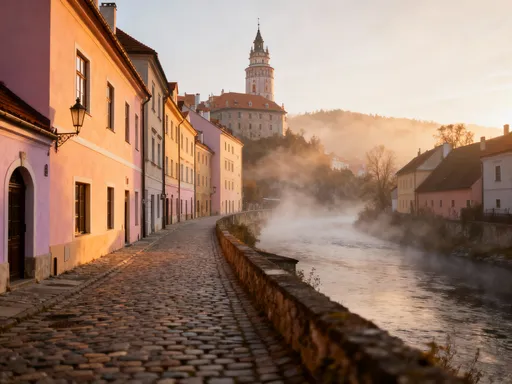
You Won’t Believe These Instagram-Perfect Districts in Copenhagen
Copenhagen isn’t just a city—it’s a visual story waiting to unfold. Each district pulses with its own rhythm, color, and charm, making it a dream for anyone chasing that perfect shot. I was blown away by how much personality each neighborhood carries, from canals lined with colorful houses to minimalist streets that feel like curated art. If you're hunting for beauty with authenticity, these spots are non-negotiable. With soft Nordic light, thoughtful urban design, and a deep respect for harmony between nature and city life, Copenhagen offers a rare blend of aesthetic precision and lived-in warmth. This is a place where even the quietest alleyways feel intentional, where every bridge, bench, and bicycle tells a story. For travelers who value both beauty and meaning, the city’s distinct districts deliver on every level.
Nyhavn – Where Postcards Come to Life
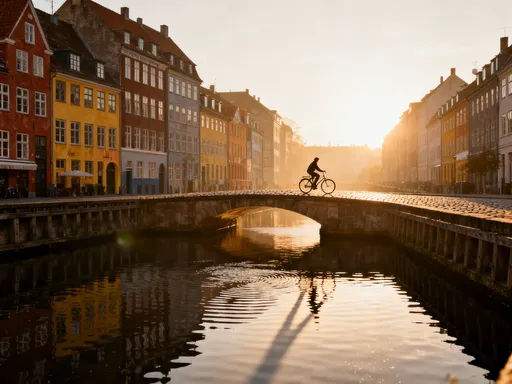
Nyhavn is perhaps the most iconic image of Copenhagen, a waterfront stretch that seems designed specifically for the camera. Rows of 17th and 18th-century townhouses painted in vibrant hues—sunflower yellow, cherry red, mint green—line the canal, their reflections shimmering in the calm water. Historic wooden ships, some still seaworthy, are docked along the quay, adding a timeless maritime layer to the scene. It’s no surprise that this is the postcard view of the city, but what makes Nyhavn truly special is how it balances its tourist fame with genuine local energy. Outdoor cafés spill onto the cobblestones, where Danes and visitors alike sip coffee in summer or mulled wine in winter, wrapped in blankets as the lights come on.
The best time to photograph Nyhavn is during golden hour, just after sunrise or before sunset, when the low sun bathes the facades in warm light and casts long, dramatic shadows across the water. Arriving early not only ensures softer lighting but also fewer crowds, allowing for unobstructed views and more intimate compositions. For a classic shot, position yourself at the western end of the canal and frame the entire row of houses with the masts of the ships in the foreground. To capture reflections, crouch low near the edge of the water—on calm mornings, the surface becomes a mirror, doubling the visual impact.
Despite the foot traffic, Nyhavn retains authenticity. Many of the buildings are private residences, and the restaurants, while tourist-friendly, serve traditional Danish fare like smørrebrød and herring platters. The area also hosts cultural events throughout the year, from boat festivals to open-air concerts, adding dynamic layers to your visual storytelling. While it’s easy to dismiss such a well-known spot as “overdone,” the truth is that Nyhavn earns its fame. With thoughtful framing and timing, it remains one of the most rewarding locations in the city for capturing both beauty and atmosphere.
Christianshavn – The Venice of the North
Just a short walk from the city center, Christianshavn offers a quieter, more contemplative side of Copenhagen. Built in the 17th century as a fortified merchant district, it was modeled after Dutch canal cities, and today its waterways, arched bridges, and cobbled lanes evoke a distinctly European charm. Unlike the bustling energy of Nyhavn, Christianshavn feels like a hidden retreat, where houseboats with flower boxes float gently on the canals and cyclists glide past pastel-colored homes with slate roofs. The district’s peaceful rhythm makes it ideal for slow photography—capturing subtle details like ivy climbing a stone wall or sunlight filtering through willow trees.
One of the most talked-about parts of Christianshavn is Freetown Christiania, an autonomous neighborhood established in 1971 on the grounds of a former military barracks. Known for its alternative lifestyle, colorful murals, and self-governed community, Christiania attracts curiosity from around the world. For photographers, it offers a wealth of visual interest—from psychedelic graffiti to handmade homes nestled among trees. However, responsible photography is essential here. A well-known sign at the entrance reads “No Photos,” particularly in the central area known as Pusher Street, due to privacy and safety concerns. Respecting this rule is not just about following guidelines; it’s about honoring the community’s boundaries and preserving its integrity.
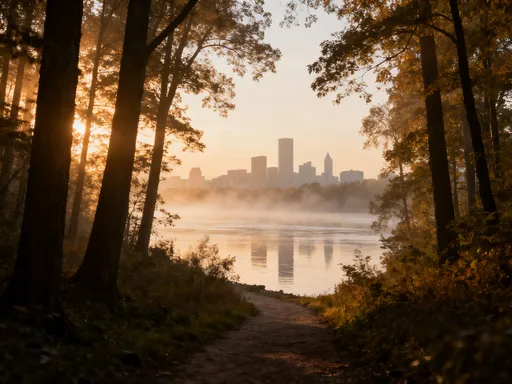
Outside the restricted zones, there are still countless photo opportunities. The surrounding streets of Christiania are covered in large-scale street art, much of it politically or environmentally themed, offering powerful backdrops for creative shots. The canals of Christianshavn itself, especially around the Church of Our Saviour with its spiral steeple, provide excellent vantage points. Early morning is ideal—mist often hovers over the water, and the soft light enhances the district’s dreamlike quality. Whether shooting from a bridge or along a quiet path, the interplay of water, architecture, and greenery creates compositions that feel both serene and alive.
Indre By – Classic Beauty Meets Urban Energy
Indre By, or the Inner City, is the historic heart of Copenhagen, where medieval streets meet modern life in a seamless blend. This compact district is home to some of the city’s oldest squares, winding alleys, and architectural treasures, all within easy walking distance. Gammel Torv and Amagertorv, two of the most central plazas, have been gathering places since the Middle Ages and remain vibrant today, surrounded by cafés, boutique shops, and the occasional street performer. The area’s charm lies in its layers—the contrast between ancient stone facades and sleek storefronts, between quiet courtyards and busy pedestrian zones.
For photographers, Indre By offers endless possibilities. The arcades near Østergade hide tucked-away corners where sunlight streams through high windows, illuminating vintage signage or a flower stand. The side streets branching off Strøget, Europe’s longest pedestrian shopping street, often reveal unexpected details: a weathered door with brass hardware, a cat lounging on a windowsill, or a cyclist pausing beneath a lamppost. Capturing daily life here means focusing on movement and rhythm—people meeting for coffee, children chasing pigeons, or vendors arranging fresh produce at a seasonal market.
Seasonal changes also enhance the district’s visual appeal. In winter, fairy lights twinkle overhead, and Christmas markets fill the squares with warmth and spice-scented air. Spring brings blooming chestnut trees and open-air seating, while summer sees outdoor galleries and pop-up installations. Even autumn, with its golden light and falling leaves, adds a poetic tone to the cityscape. To avoid clichéd shots, try shooting from unconventional angles—looking up at building cornices, or down a narrow alley where perspective creates depth. The key is to balance the grandeur of landmarks with the intimacy of everyday moments, creating a narrative that feels both timeless and immediate.
Vesterbro – Hip, Raw, and Full of Character
Vesterbro was once one of Copenhagen’s most industrial and overlooked neighborhoods, but today it stands as a symbol of urban renewal and creative energy. Once known for its working-class roots and nightlife, the district has transformed into a hub for design, food, and street culture—without losing its edge. Colorful street art covers entire building facades, vintage clothing stores line the streets, and specialty coffee shops serve pour-overs in minimalist spaces. Istedgade, the main artery of Vesterbro, pulses with life at all hours, offering a rich tapestry of faces, fashion, and flavor that’s perfect for candid photography.
The visual language of Vesterbro is bold and unapologetic. Murals range from abstract geometric patterns to large-scale portraits of local figures, each telling a story about identity and community. One of the best ways to explore is on foot, camera in hand, allowing yourself to be drawn to spontaneous moments—a dog in a sweater, a muralist at work, or a rainbow of umbrellas in the rain. When photographing people, a respectful approach is key. Instead of intrusive shots, try capturing silhouettes, reflections in shop windows, or the play of light and shadow on textured walls. These techniques preserve authenticity while maintaining privacy.
Coffee culture is central to Vesterbro’s identity, and visiting a local roastery isn’t just a break—it’s part of the experience. Places like Coffee Collective or The Coffee Lab offer more than great brews; their interiors, with exposed brick and curated ceramics, make for excellent still-life shots. Even the baristas, focused and precise, become part of the visual narrative. For a broader sense of place, spend time in one of the pocket parks or community gardens, where neighbors gather and children play. Vesterbro proves that beauty doesn’t have to be polished—sometimes, the most compelling images come from raw, real moments that reflect the soul of a neighborhood.
Østerbro – Understated Elegance and Coastal Vibes
If Vesterbro is the city’s creative pulse, Østerbro is its quiet breath. Located to the north of the city center, this residential district exudes calm, with wide, tree-lined avenues, elegant apartment buildings, and access to the waterfront. It’s a favorite among families and professionals who appreciate a slower pace without sacrificing convenience. The atmosphere here is one of understated sophistication—clean lines, muted colors, and an emphasis on balance between urban living and nature. For photographers seeking serenity, Østerbro offers a refreshing contrast to the busier parts of town.
The district’s proximity to the harbor makes it ideal for early morning shoots. Kalvebod Fælled, a large coastal meadow and nature area, transforms at sunrise, when the sky shifts from deep blue to soft pink and the silhouettes of cyclists and dog walkers move across the open landscape. The waterfront parks, such as Søndermarkens Park or Skt. Jørgens Sø, provide reflective surfaces that mirror the sky and trees, creating minimalist compositions with emotional depth. Even the architecture in Østerbro—often in restrained Nordic styles with white facades and black-framed windows—lends itself to clean, elegant framing.
What stands out in Østerbro is the sense of everyday beauty. Children biking to school, couples walking hand in hand, or an elderly man reading a newspaper on a bench—these quiet moments carry a powerful visual weight. Instead of chasing dramatic scenes, try focusing on simplicity: a single bench by the water, a bicycle leaned against a tree, or laundry fluttering in the breeze. These images may not be flashy, but they resonate because they feel true. In a world where social media often favors intensity, Østerbro reminds us that gentleness and stillness can be just as compelling.
Nørrebro – Culture, Color, and Community Spirit
Nørrebro is one of Copenhagen’s most diverse and dynamic neighborhoods, a place where cultures intersect and creativity thrives. Long known for its multicultural population, the district is home to restaurants serving Thai, Turkish, Somali, and Lebanese cuisine, alongside independent bookshops, music venues, and community centers. The energy here is vibrant and inclusive, and it shows in the streets—colorful markets, children playing in parks, and public art that celebrates difference. For photographers, Nørrebro offers a rich palette of human stories and visual textures.
The crown jewel of Nørrebro is Superkilen Park, a one-of-a-kind urban space that has drawn international acclaim. Designed as a celebration of the neighborhood’s 60+ nationalities, the park is divided into three zones—Red Square, Black Market, and Green Park—each with bold colors, global design elements, and interactive features. Benches from Morocco, a fountain from Iraq, and lampposts from Japan create a mosaic of world cultures in one location. It’s a photographer’s dream: every corner offers a new backdrop, from the bright red rubber surface of the sports area to the sleek black plaza with its circular seating. The park is especially lively on weekends, when families gather, skateboarders cruise by, and street musicians perform.
When photographing in Nørrebro, mindfulness is essential. Because of its diversity, it’s important to approach people and spaces with respect. Avoid voyeuristic shots or reducing individuals to stereotypes. Instead, focus on shared experiences—children laughing on a playground, friends sharing food at a market, or neighbors chatting outside a corner shop. These moments capture the spirit of community without crossing ethical lines. Nørrebro teaches us that beauty isn’t just about symmetry or color—it’s also about connection, resilience, and joy in everyday life.
Frederiksberg – Royal Flair with a Laid-Back Twist
Surrounded by Copenhagen but maintaining its own municipal identity, Frederiksberg is a district of refined elegance and green tranquility. Once a royal hunting ground, it evolved into a residential area for the elite, and today it’s known for its grand 19th-century mansions, tree-shaded boulevards, and the expansive Frederiksberg Gardens. The atmosphere is one of quiet luxury—less flashy than palaces, but deeply rooted in history and natural beauty. It’s a favorite among locals seeking peace, and for photographers, it offers a romantic, almost pastoral quality that’s rare in a city center.
The gardens are the heart of the district, a sprawling landscape of winding paths, ornamental ponds, and classical statues. In spring, cherry blossoms bloom along the alleys; in autumn, the trees turn golden, their reflections dancing on the water. Peacocks often wander the grounds, adding a touch of whimsy to the scenery. Early morning light filters through the canopy, creating dappled patterns on the ground—ideal for soft, ethereal shots. The Chinese Tower and the Little Mountain offer elevated views, perfect for capturing the layered greenery and distant city skyline.
Frederiksberg also blends sophistication with accessibility. Cafés near the gardens serve organic pastries and loose-leaf tea, and families picnic on the lawns in summer. The district’s architecture, with its mix of historic villas and modern renovations, reflects a balance between preservation and progress. Photographing here means embracing subtlety—capturing the curve of a wrought-iron gate, the texture of aged stone, or the way light catches a dew-covered spiderweb. Frederiksberg doesn’t shout for attention; it invites you to look closer. In doing so, it becomes a powerful counterpoint to the more energetic districts, reminding us that beauty often lies in stillness and grace.
Copenhagen’s districts aren’t just backdrops—they’re storytellers. Choosing where to go isn’t just about beauty, but about the feeling each place evokes. With thoughtful exploration and a mindful lens, your journey becomes more than a highlight reel—it becomes a true reflection of one of Europe’s most photogenic cities. From the iconic charm of Nyhavn to the quiet dignity of Frederiksberg, each neighborhood offers a distinct chapter in a larger narrative about design, community, and the art of living well. Whether you’re drawn to color, contrast, or calm, Copenhagen rewards attention to detail and intentionality. So pack your camera, wear comfortable shoes, and let the city guide you—not just to the perfect shot, but to a deeper understanding of what makes a place unforgettable.