You Won’t Believe What Lies Beneath Sharjah’s Desert Sands
Have you ever imagined a desert that hides lush oases, fossil-rich mountains, and ancient riverbeds beneath its golden dunes? Sharjah, often overlooked for its flashier neighbors, is a land of quiet wonders shaped by millions of years of geological magic. I was stunned to discover how its dramatic terrain—from salt flats to rocky plateaus—tells a story far deeper than sand. This is not just desert. This is discovery written in stone. Beneath its sunbaked surface lies a world of prehistoric secrets, natural artistry, and resilient ecosystems waiting to be explored. For travelers seeking meaning beyond the typical resort experience, Sharjah offers a rare invitation: to witness the slow, powerful forces of nature that have shaped this land over eons.
Beyond the Sand: Unveiling Sharjah’s Hidden Terrain
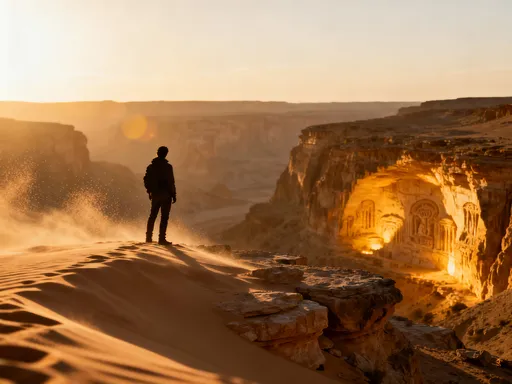
Sharjah is frequently perceived as an endless expanse of golden dunes, but this image only scratches the surface of its true geographical diversity. In reality, the emirate is a complex tapestry of landscapes sculpted by ancient oceans, seismic shifts, and relentless desert winds. While neighboring cities may boast skyscrapers and shopping malls, Sharjah’s greatest treasures are etched into the earth itself. From the rugged Hajar Mountains in the east to the expansive coastal sabkhas in the west, the emirate spans multiple climatic and geological zones within a surprisingly compact area. This variation makes Sharjah one of the most geologically rich regions in the Arabian Peninsula, offering visitors a chance to traverse vastly different terrains in a single day.
The eastern part of Sharjah, bordering Oman, features dramatic mountain ranges composed primarily of ophiolites—sections of oceanic crust pushed onto land through tectonic activity over 90 million years ago. These formations are not only visually striking but scientifically significant, providing researchers with a rare glimpse into the Earth’s subsurface layers. Meanwhile, the western lowlands are dominated by flat, mineral-laden plains formed by the evaporation of ancient seas. These sabkhas, or salt flats, stretch for kilometers and create an otherworldly landscape that shifts in appearance with the seasons and weather conditions.
What makes Sharjah’s terrain especially compelling is its accessibility. Unlike remote geological sites that require specialized expeditions, many of these formations lie within a few hours’ drive from the city center. Families, amateur geologists, and casual hikers can all find points of interest without needing advanced equipment or permits. The emirate has also invested in sustainable tourism infrastructure, including marked trails, visitor centers, and educational signage, allowing guests to appreciate the land without harming it. This thoughtful balance between preservation and access sets Sharjah apart as a destination where nature and culture coexist in harmony.
Understanding Sharjah’s geography begins with recognizing that this land was not always arid. Geological evidence shows that during the Cretaceous period, much of the region lay beneath a shallow tropical sea. Over time, tectonic uplift, climate change, and sedimentation transformed the environment into the desert we see today. Yet remnants of that aquatic past remain embedded in the rock—fossils, marine deposits, and fossilized coral beds. These clues invite us to reconsider the desert not as a barren wasteland, but as a living archive of Earth’s history. By stepping beyond the stereotype of endless sand, travelers begin to see Sharjah for what it truly is: a natural museum shaped by time, water, and wind.
The Fossil Trail: Walking Through Prehistoric Time
One of the most astonishing revelations about Sharjah is that its mountains contain tangible evidence of a time when this region was covered by a warm, shallow sea. In the eastern enclaves near Kalba and Dibba, limestone outcrops expose fossilized remains of marine life dating back approximately 90 million years. These include well-preserved ammonites, ancient coral colonies, and even fossilized shark teeth—silent witnesses to an era long before human civilization. The discovery of these fossils has transformed local hillsides into open-air classrooms for geologists, students, and curious travelers alike. Each exposed rock layer tells a chapter in the story of how the Arabian Peninsula emerged from beneath the waves.
What makes this area particularly special is its accessibility. Unlike protected fossil sites that restrict public access, many of these formations in Sharjah’s mountainous zones can be observed up close along established hiking trails. Visitors with no formal training in geology can still identify spiral-shaped ammonites embedded in stone or trace the delicate patterns of fossilized coral. Local guides often accompany small groups, pointing out key features and explaining how the uplift of the Hajar Mountains brought these ancient seabeds to the surface. This hands-on experience fosters a deep sense of connection to the planet’s distant past, making science feel personal and immediate.
The presence of marine fossils so far inland challenges common assumptions about deserts as static and unchanging. Instead, they reveal a dynamic Earth capable of dramatic transformation over millions of years. The same forces that created the Himalayas—tectonic plate collisions—also lifted the ocean floor beneath what is now Sharjah, folding and tilting rock layers into the dramatic cliffs seen today. These geological processes continue at a slow, imperceptible pace, reminding us that landscapes are not fixed but constantly evolving.
For families traveling with children, fossil hunting in this region offers an engaging and educational adventure. It encourages observation, patience, and curiosity—qualities that enrich any journey. However, it is important to note that removing fossils or disturbing rock formations is strictly prohibited under UAE environmental regulations. The goal is preservation, not collection. Visitors are encouraged to photograph their finds and leave them in place for others to discover. This principle of responsible exploration ensures that future generations will also have the chance to walk through prehistoric time, standing where ancient seas once flowed.
Wadi Sufa: Where Cliffs Meet the Sky
Nestled along the northeastern edge of Sharjah, Wadi Sufa is a breathtaking canyon carved by centuries of intermittent flash floods. Unlike the wide, sandy wadis found elsewhere in the region, Wadi Sufa features sheer limestone walls that rise more than 200 meters, creating a narrow corridor where sunlight filters through in dramatic beams. The rock faces display striking banding patterns caused by mineral deposits—iron oxides lending reddish streaks, while manganese creates dark, vein-like lines. These colors shift throughout the day, transforming the wadi into a natural canvas painted by light and geology.
Wadi Sufa’s formation is a textbook example of fluvial erosion in an arid environment. Though rainfall in Sharjah is sparse, occasional heavy storms in the Hajar Mountains generate powerful runoff that rushes down narrow channels, carving deeper into the rock with each event. Over thousands of years, this process has sculpted the wadi’s steep walls and smoothed boulders along its floor. The result is a landscape that feels both ancient and alive, shaped by forces that remain active today. Seasonal vegetation, including acacia trees and hardy grasses, sprouts after rains, providing temporary sustenance for desert-dwelling animals such as foxes, lizards, and migratory birds.
One of the most remarkable aspects of Wadi Sufa is its tranquility. Unlike more famous wadis that attract large crowds, this site remains relatively unknown, preserving its sense of solitude and serenity. Hikers who make the journey are rewarded not only with stunning visuals but also with a rare sense of peace. The acoustics within the canyon amplify natural sounds—the rustle of wind, the call of a distant bird—creating an almost meditative atmosphere. Photographers, in particular, find it a haven for capturing dramatic contrasts between light and shadow, texture and depth.
Visiting Wadi Sufa requires preparation. The terrain is rugged, and there are no facilities within the wadi itself. Travelers should bring ample water, wear sturdy footwear, and avoid attempting the hike during midday heat. A 4x4 vehicle is recommended for reaching the trailhead, especially after rainfall when access roads may become slippery. Importantly, visitors must adhere to environmental guidelines: staying on marked paths, avoiding graffiti or littering, and refraining from disturbing wildlife. By respecting these rules, travelers help ensure that Wadi Sufa remains a pristine sanctuary for years to come.
The Al Madam Ghost Village and Shifting Sands
On the western fringe of Sharjah, near the edge of the Rub’ al Khali—the Empty Quarter—lies Al Madam, a village frozen in time. Once a modest agricultural settlement, it was gradually abandoned in the late 20th century as encroaching sand dunes swallowed homes and fields. Today, the remnants of Al Madam stand half-buried in golden drifts, their mud-brick walls peeking through the sand like ghosts of a forgotten past. This haunting landscape offers a powerful illustration of the desert’s relentless movement and the delicate balance between human habitation and natural forces.
The story of Al Madam is not one of sudden disaster, but of slow, inevitable change. Decades ago, residents relied on shallow wells and date palm cultivation to sustain life in this arid zone. However, as groundwater levels dropped and wind patterns shifted, sand began to accumulate around buildings. Efforts to combat the drifts—such as planting windbreaks and constructing barriers—proved ineffective against the sheer scale of the dunes. Eventually, families relocated to nearby towns, leaving behind a silent testament to the power of nature. Rather than demolishing the structures, authorities chose to preserve the site as a cultural and geological landmark, allowing visitors to witness firsthand how terrain shapes human destiny.
Al Madam also serves as a case study in desert dynamics. The movement of sand is governed by wind direction, grain size, and topography. In this region, consistent northerly winds push dunes southward at a rate measurable over years. Satellite imagery has documented the gradual burial of structures, offering scientists valuable data on desertification processes. For travelers, the site provides a sobering yet fascinating perspective on climate and landscape change. It reminds us that deserts are not static backdrops but active, evolving systems that respond to environmental shifts.
Tourists visiting Al Madam are often struck by the surreal beauty of the half-buried buildings. Doorways lead to nowhere, and windows frame only sand. Artists and photographers are drawn to the contrast between human craftsmanship and natural erosion. Interpretive signs explain the history of the village and the science behind dune migration, enhancing the educational value of the visit. As with all fragile environments, visitors are urged to refrain from climbing on structures or removing artifacts. The goal is not to exploit the site’s eerie charm, but to understand and respect it as a living lesson in geography and resilience.
Sabkha Plains: Nature’s Mirror in the Desert
Along Sharjah’s western coastline, vast expanses of flat, white terrain stretch toward the horizon—these are the sabkhas, or salt flats, formed by the evaporation of seawater trapped behind natural sand barriers. Composed of layers of gypsum, halite, and other evaporite minerals, these plains create a unique ecosystem that thrives in extreme conditions. When dry, sabkhas appear cracked and brittle, resembling a mosaic of polygonal tiles. But after rare rainfall or high tides, they transform into expansive, mirror-like surfaces that reflect the sky with stunning clarity. This ephemeral beauty has made them increasingly popular among landscape photographers and nature enthusiasts seeking moments of quiet wonder.
The formation of sabkhas is a slow, ongoing process. During high tides, seawater seeps into low-lying coastal areas and becomes trapped behind dunes or ridges. As temperatures rise, the water evaporates, leaving behind concentrated salts that crystallize on the surface. Over time, these deposits build up, creating a hard crust that can support light foot traffic—if approached with caution. Beneath the surface, microbial communities known as extremophiles flourish in the saline environment, playing a crucial role in stabilizing the soil and supporting higher forms of life, such as migratory birds and desert foxes.
Ecologically, sabkhas are far more than barren wastelands. They act as natural buffers against coastal erosion, absorbing wave energy and reducing the impact of storm surges. They also serve as stopover points for birds migrating along the East African-West Asian flyway, offering resting and feeding grounds in an otherwise harsh environment. Conservation efforts in Sharjah have designated several sabkha areas as protected zones, limiting development and monitoring biodiversity. These initiatives reflect a growing awareness of the need to preserve fragile desert ecosystems in the face of urban expansion.
For visitors, experiencing a sabkha after rain is a rare and unforgettable event. The illusion of walking on clouds—or floating in the sky—is both disorienting and magical. However, it is essential to approach these areas responsibly. The surface crust is delicate and easily damaged by footprints or vehicle tracks. Authorities discourage off-road driving and urge tourists to stay on designated observation platforms. By doing so, travelers help protect these natural mirrors from degradation, ensuring that their reflective beauty endures for future generations to admire.
Exploring the Terrain: Practical Tips for Discovery
To fully appreciate Sharjah’s diverse landscapes, proper preparation is essential. The best time to visit is between October and April, when temperatures are mild and the risk of extreme heat is reduced. During summer months, daytime highs can exceed 45°C (113°F), making outdoor exploration dangerous without extensive precautions. Morning hours are ideal for hiking, photography, and geological observation, as the light is soft and the air cooler. Travelers should always check weather forecasts before setting out, particularly in wadi or sabkha regions where sudden rainfall can cause flash floods or temporary flooding.
Footwear is critical when navigating Sharjah’s varied terrain. Sturdy hiking boots with good ankle support are recommended for mountain trails and rocky wadis, while closed-toe shoes with grip suffice for sabkha boardwalks and desert safaris. Lightweight, breathable clothing in neutral colors helps regulate body temperature and blends with the natural surroundings. A wide-brimmed hat, UV-protective sunglasses, and high-SPF sunscreen are non-negotiable for sun protection. Hydration is equally vital—experts recommend carrying at least three liters of water per person for full-day excursions, even if the hike seems short.
Transportation plays a key role in accessing remote sites. While some locations like Al Madam are reachable by standard vehicles, others—such as Wadi Sufa or fossil-rich mountain trails—require a 4x4 with high clearance. Attempting these routes in a regular sedan risks vehicle damage and personal danger. It is advisable to travel with a companion, share your itinerary with someone not on the trip, and carry a fully charged mobile phone with offline maps. Although mobile coverage has improved in recent years, signal can be spotty in isolated areas.
Responsible travel is a cornerstone of sustainable tourism in Sharjah. Visitors should adhere to marked trails, avoid picking plants or disturbing wildlife, and carry out all trash. In fragile environments like sabkhas and fossil beds, even minor actions—such as stepping off the path—can cause long-term damage. Drones may require permits for use in protected areas, so it’s wise to verify regulations beforehand. Above all, the goal is to leave no trace, ensuring that these natural wonders remain intact for others to discover. By combining preparation with respect, travelers can enjoy a safe, meaningful, and environmentally conscious journey.
Why Terrain Tells the Real Story of a Place
Landscape is more than scenery—it is memory written in rock, salt, and sand. Sharjah’s varied terrain invites travelers to look beyond the surface and engage with the deeper narratives of time, transformation, and resilience. Each canyon, fossil bed, and salt flat is a chapter in a geological epic that spans millions of years. To walk through these places is not merely to sightsee, but to participate in a quiet conversation with the Earth itself. This kind of travel fosters a profound sense of connection, reminding us that we are part of a much larger story—one shaped by forces far greater than human ambition.
In an age where travel often prioritizes speed and convenience, Sharjah offers a different rhythm. It asks us to slow down, to observe closely, and to listen to what the land has to say. Whether standing atop a windswept plateau, tracing the outline of a 90-million-year-old fossil, or watching the sky melt into a mirrored sabkha, visitors gain more than photographs—they gain perspective. They begin to see deserts not as empty spaces, but as reservoirs of history, life, and quiet beauty.
Moreover, understanding terrain cultivates a deeper respect for environmental stewardship. When people witness how dunes reclaim villages or how delicate salt crusts form over decades, they develop a greater appreciation for the fragility and strength of natural systems. This awareness can inspire more mindful choices, both during travel and in daily life. It encourages conservation, reduces ecological impact, and promotes cultural sensitivity.
Sharjah deserves a place on every thoughtful traveler’s itinerary—not because it offers luxury or spectacle, but because it offers truth. Its landscapes are unpolished, unfiltered, and deeply authentic. They do not cater to trends or expectations, but reveal themselves only to those willing to look closely and listen deeply. In doing so, they transform a simple journey into a lasting revelation. The desert, it turns out, is not silent. It speaks—in layers of rock, in shifting sands, in echoes of ancient seas. All we need to do is pause, and hear it.